Zero-Click Search
Definition
A zero-click search occurs when a user's query is answered directly on the search engine results page, eliminating the need to click through to a third-party website. These answers appear through features like Google AI Overviews, featured snippets, knowledge panels, and People Also Ask boxes. The trend has accelerated with AI-driven search, where synthesized answers replace traditional blue links.
Quick Answer: zero click search
A zero-click search is a search query that gets answered directly on the search engine results page (SERP) without the user clicking through to any website. This includes answers delivered through Google's AI Overviews, featured snippets, knowledge panels, and other SERP features. More than 60% of Google searches now end without a click. This does not mean search is less valuable. It means the impact happens earlier, often before a user ever visits a website. Brands that maintain visibility within these direct answers shape consumer perception at the moment of inquiry rather than after a click.
The Scale of Zero-Click Search
The shift toward zero-click search is not speculative. It is the dominant pattern in modern search behavior. More than 60% of Google searches now end without the user clicking through to any website. That number has grown steadily as Google has expanded its SERP features, and the introduction of AI Overviews has accelerated the trend. As Patrick Gilbert writes in Never Always, Never Never, "Google's search results are no longer just a doorway; they are the room itself." Users get what they need directly from the search results page. Weather, sports scores, and basic facts were the original zero-click queries, but the scope has expanded dramatically. Product comparisons, how-to instructions, definitions, reviews, and even complex research questions are now answered without a single click. This transformation reflects a broader change in how people interact with search. Query lengths have increased as users write full sentences and ask layered questions. They trust that search engines and AI tools can interpret intent rather than just match keywords. In this environment, the search results page has become the destination, not the starting point.
Why Fewer Clicks Does Not Mean Less Impact
The instinct among many marketers is to treat zero-click search as a threat. If users are not clicking, how can search drive traffic? But this framing misses the point. Zero-click search changes where and when brand impact happens. It does not eliminate it. Patrick Gilbert makes this distinction clearly: "Fewer clicks doesn't mean less impact. It means the impact happens earlier, and often invisibly." When a brand appears in an AI Overview or a featured snippet, it shapes the user's perception before they ever visit a website. That early impression can determine whether the brand enters the consideration set at all. When a click does occur in this environment, it tends to be a high-intent action. The user has already absorbed context from the search results page and is moving forward with confidence rather than browsing for reassurance. This means the traffic that does arrive is more qualified, more likely to convert, and less likely to bounce. The total volume of clicks may decrease, but the quality of each click improves. For brands that maintain visibility within zero-click results, the equation is favorable. They reach users at the moment of inquiry and shape perception before competitors enter the picture.
Google's search results are no longer just a doorway; they are the room itself.
Patrick Gilbert, Never Always, Never Never
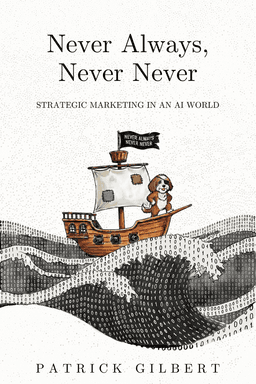
Enjoying this? Never Always, Never Never goes much deeper into the mental models and decision frameworks that shape how we think.
AI Overviews and the Acceleration of Zero-Click
Google's introduction of AI Overviews represents the most significant expansion of zero-click search to date. In September 2025, Google reported that more than two billion people had interacted with AI Overviews in the previous month alone. For comparison, ChatGPT reported roughly 700 million weekly active users during the same period. AI Overviews synthesize information from multiple sources and present a complete answer directly on the search results page. They go beyond the simple extraction of featured snippets. They interpret, compare, and contextualize information in ways that reduce the need for users to visit individual websites. This is part of what Google's VP of Engineering, Julie Farago, described as the shift toward AI-driven, multimodal, and agentic search. Search has progressed from processing single words to sentences to paragraphs. With AI, it now synthesizes entire documents, pulls in real-time context, and adapts responses based on individual preferences. The result is that more queries are fully resolved within the search interface, and the definition of "zero-click" expands to include increasingly complex questions.
What Zero-Click Search Means for Brand Strategy
Zero-click search forces a fundamental rethinking of how brands measure search value. Traffic-based metrics like click-through rate and sessions from organic search tell an incomplete story when the majority of impressions resolve without a click. The real question becomes: is your brand present in the answers people see? When someone asks a question relevant to your category and gets a synthesized response on the SERP, does your brand appear in that answer? If it does, you are building mental availability at the exact moment of inquiry, even if no click occurs. This connects directly to Answer Engine Optimization (AEO). As Patrick Gilbert explains, AEO is not a replacement for SEO or paid search. It is an attempt to understand how AI-driven systems interpret brands, pull information from across the internet, and decide which companies are worth mentioning when users ask for help. Traditional SEO focused on getting your site to rank. AEO asks a different question: "How does the internet describe us when we're not in the room?" Brands that invest in clear, consistent messaging across every touchpoint, from their website to third-party reviews to social media, are the ones that show up in zero-click results. The AI is summarizing what the internet agrees is true about you. If that consensus is strong and favorable, zero-click search becomes an asset, not a threat.
Related Terms
Frequently Asked Questions
What percentage of Google searches are zero-click?
More than 60% of Google searches now end without the user clicking through to a website. This percentage has increased steadily with the expansion of SERP features like AI Overviews, featured snippets, knowledge panels, and People Also Ask boxes. The introduction of AI-synthesized answers has accelerated this trend significantly.
Is zero-click search bad for brands?
Not necessarily. Zero-click search changes when brand impact occurs. It does not eliminate it. Brands that appear in AI Overviews and featured snippets shape user perception before a click ever happens. The clicks that do occur tend to be higher-intent and more likely to convert. The risk is for brands that fail to show up in these synthesized answers at all.
How can brands maintain visibility in zero-click search?
Brands should invest in Answer Engine Optimization (AEO) by ensuring their messaging is clear, consistent, and well-represented across the internet. This includes maintaining strong website content, earning third-party mentions and reviews, and building distinctive brand associations that AI systems can identify and surface in synthesized results.
What is the difference between zero-click search and AEO?
Zero-click search describes the behavior where users get answers directly from the SERP without clicking through. AEO is the strategy of optimizing your brand's presence so that AI-driven search systems include and accurately represent you in those direct answers. Zero-click is the phenomenon. AEO is the response.
Does zero-click search affect paid advertising?
Yes. As organic clicks decrease for informational queries, paid search ads become more important for maintaining visibility on results pages. At the same time, the nature of search ads is evolving. Google is integrating AI-generated content into ad formats, and brands need to ensure their paid presence complements the AI-driven organic results.
Will zero-click search continue to grow?
All signals point to continued growth. Google's investment in AI Overviews, the expansion of multimodal and agentic search features, and user preference for direct answers suggest that zero-click behavior will become the norm for an even larger share of queries. Brands that adapt their strategies now will be better positioned than those that wait.
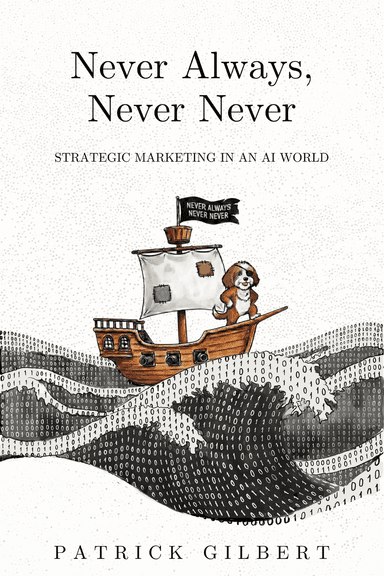
From the Book
Chapter 29 explores how AI-driven search is reshaping consumer behavior, why Google remains the largest AI company in the world, and what the shift to zero-click results means for brands trying to stay visible.
This is just a glimpse. The book explores dozens of cognitive biases and decision-making frameworks that change how you think, decide, and act.
Want to go deeper on this topic?
Chat with the AI companion to explore these concepts with the full context of the book.
Chat about this topicRelated Reading
AEO (Answer Engine Optimization): How Brands Show Up in AI Search
Answer Engine Optimization (AEO) is the practice of ensuring AI systems accurately represent your brand when generating answers. Learn how AEO differs from SEO and why brand clarity matters more than keywords.
conceptHow AI Search Works: Understanding the 6 Layers of the AI Answer Stack
Learn how AI search works through the 6 layers of the AI answer stack. From base model knowledge to deep research, understand AI responses for better marketing.
conceptMental Availability Marketing: How Brands Win the Battle for Memory
Mental availability marketing builds brand recall through category entry points. Learn how McDonald's, Disney & others dominate consumer memory structures.
glossaryBrand Salience: The Key to Mental Availability in Marketing
Brand salience is your brand's propensity to come to mind when customers have a need. Learn how it drives mental availability and purchase decisions.
BlogWhy the Old Playbook Is Broken
The platform tricks and optimization shortcuts that built most digital marketing careers have been commoditized. Here's what actually changed and what to do about it.