Brand Salience
Definition
Brand salience is the propensity for a brand to be noticed or come to mind in buying situations. It represents your brand's share of people's minds, defined by the quantity and quality of memory links to and from that brand. Salience determines whether your brand springs to mind when customers have a need, making it the foundation of mental availability.
Quick Answer: brand salience
Brand salience is the propensity for a brand to be noticed or come to mind in buying situations. It represents your brand's share of people's minds through the quantity and quality of memory links connecting the brand to purchase triggers. Unlike brand awareness, which measures recognition, salience measures recall in moments that matter. McDonald's demonstrates strong salience when hunger automatically triggers thoughts of their restaurants. Brand salience is built through repeated exposure that creates neural pathways linking brands to Category Entry Points like 'I'm hungry and in a rush' or 'I need an energy boost.' The stronger these mental connections, the higher the probability customers will think of your brand when entering the category.
Brand Salience vs Brand Awareness: The Critical Difference
Most marketers confuse brand salience with brand awareness, but the distinction is critical. Brand awareness measures recognition. If you show someone your logo, do they know your brand? Brand salience measures recall. When someone has a need, does your brand come to mind? As Patrick Gilbert argues in Never Always, Never Never, recognition without relevance is not enough. Yahoo! provides the perfect example. Most people recognize the name and can describe what Yahoo! does. But when was the last time you used Yahoo! for search or news? Yahoo! has awareness but lacks salience. The brand exists in people's memory but fails to surface in buying moments. McDonald's demonstrates the opposite. Its golden arches are recognizable, but more importantly, feelings of hunger immediately and automatically trigger thoughts of McDonald's for millions of people. This neural connection between need and brand is what separates market leaders from also-rans.
How Brand Salience Works: Memory Structures and Neural Pathways
Brand salience operates through memory structures that link brands to buying situations. These connections work both ways. When you see McDonald's golden arches, you think of fast food, hunger satisfaction, and convenience. When you need a convenient meal, those same neural pathways make you more likely to think of McDonald's. Neurological research shows that repeated exposure to certain cues reinforces these neural pathways, making brand connections 'stickier' in memory. This is why effective advertising doesn't force dramatic behavioral shifts overnight. Instead, it increases the probability that your brand will be recalled when a buying situation arises.
Brand salience is your brand's share of people's minds, built through the quantity and quality of memory links connecting your brand to purchase triggers.
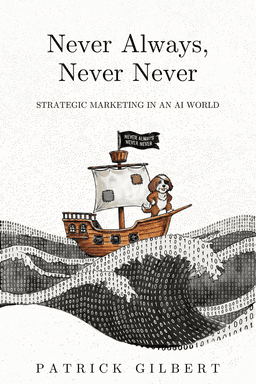
Enjoying this? Never Always, Never Never goes much deeper into the mental models and decision frameworks that shape how we think.
Category Entry Points: The Triggers That Activate Brand Salience
Jenni Romaniuk calls the cues that trigger brand recall Category Entry Points (CEPs). These are the situations, needs, or moments that bring a product category to mind. Common examples include 'I'm hungry and in a rush,' 'We need a family vacation,' or 'I hit the 2:30 p.m. energy slump.' The more your brand is linked to these entry points, the more likely it is to be considered. But here's the challenge: cues aren't tidy or predictable. Different people associate different competitors with the same need. As Byron Sharp explains, when someone feels tired, their brain might jump to coffee, Coca-Cola, a brisk walk, or a swim. Competitors aren't just functional lookalikes but all other options linked to the same cue.
Building Brand Salience: The 5-hour Energy Case Study
5-hour Energy understood Category Entry Points perfectly. While caffeinated beverage ads historically focused on mornings ('The best part of waking up is Folgers in your cup'), 5-hour Energy saw an overlooked opportunity. Scientists know most people hit a natural energy dip between 1:00 and 3:00 p.m. By framing their product as the solution to 'That 2:30 Feeling,' they created a strong mental association with a specific problem. They claimed a category entry point that competitors had ignored, building salience around an underserved moment of need.
The consumer is loyal to the brand they can find.
John F. Mars
The Disney Effect: Multiple Memory Connections
Disney demonstrates how multiple memory connections compound brand salience. A glimpse of a fairytale castle, mention of a princess, or photo of families in matching vacation shirts triggers thoughts of Disney. For frequent visitors, the connections run deeper. Piña coladas might trigger memories of Disney's Boardwalk Resort. Hot pretzels recall EPCOT's Germany pavilion. Individually, these cues aren't especially important. Together, they explain why Disney comes to mind first when families discuss vacation options. This web of memory connections creates what Gilbert calls 'astonishing mental availability.'
Why Brand Salience Matters More Than Loyalty
Brand salience matters because it shapes the consideration set in buying moments. If your brand doesn't come to mind, it can't be chosen. This is especially critical for light buyers, who represent the majority of growth opportunities. Light buyers don't have strong brand preferences. They choose from whatever brands are mentally and physically available in the moment of need. Strong brand salience ensures your brand makes it into that consideration set, increasing your odds of selection.
- Brand salience determines whether your brand surfaces in buying moments
- It's built through repeated exposure creating neural pathway connections
- Multiple memory links to Category Entry Points compound effectiveness
- Salience works by increasing probability of recall, not forcing immediate action
- Light buyers choose from mentally available brands in moments of need
Related Terms
Frequently Asked Questions
What is the difference between brand salience and brand awareness?
Brand awareness measures recognition (do people know your brand when they see it?), while brand salience measures recall (does your brand come to mind when people have a need?). According to research, recognition without relevance isn't enough. A brand can be well-known but still fail to surface in buying moments.
How do you build brand salience?
Brand salience is built by creating memory links between your brand and Category Entry Points through repeated exposure. This means consistently associating your brand with specific buying situations, needs, or moments. The goal is strengthening neural pathways so your brand automatically comes to mind when triggers occur.
Why does brand salience matter more than customer loyalty?
Brand salience determines whether your brand enters the consideration set in buying moments. Since light buyers represent most growth opportunities and don't have strong preferences, they choose from whatever brands are mentally available. Without salience, your brand can't be chosen regardless of its quality.
What are Category Entry Points in brand salience?
Category Entry Points are the cues, situations, or needs that trigger thoughts of a product category. Examples include 'I'm hungry and in a rush' or 'I need an energy boost.' The more your brand is linked to these entry points, the higher your brand salience and likelihood of consideration.
How does 5-hour Energy demonstrate effective brand salience?
5-hour Energy built salience by claiming an overlooked Category Entry Point: 'That 2:30 Feeling.' While competitors focused on morning energy needs, 5-hour Energy created a strong mental association with the natural afternoon energy dip, linking their brand to a specific moment of need.
Can a brand have high awareness but low salience?
Yes, Yahoo! is a perfect example. Most people recognize the brand and know what it does, but it rarely comes to mind when people need search or news. This shows how recognition without mental availability leads to market irrelevance despite strong brand awareness.
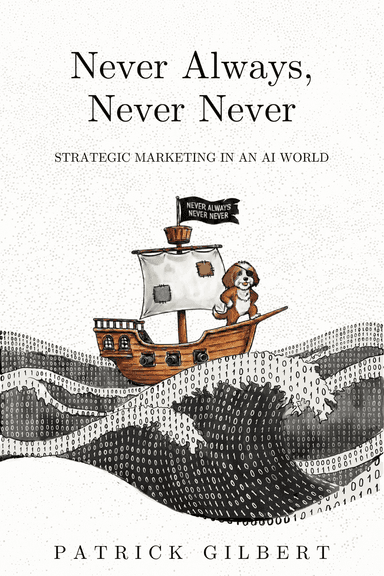
From the Book
Chapter 10 reveals how mental availability determines which brands win in buying moments. Gilbert explains the difference between recognition and recall, and why being remembered matters more than being recognized.
This is just a glimpse. The book explores dozens of cognitive biases and decision-making frameworks that change how you think, decide, and act.
Want to go deeper on this topic?
Chat with the AI companion to explore these concepts with the full context of the book.
Chat about this topic