Mental Availability Marketing: How Brands Win the Battle for Memory
Quick Answer: mental availability marketing
Mental availability marketing focuses on being remembered when consumers enter a buying situation, rather than just being recognized. It works by building memory structures that connect brands to Category Entry Points (CEPs) - the triggers that bring product categories to mind. For example, McDonald's links itself to hunger and convenience, while 5-hour Energy claimed ownership of 'That 2:30 Feeling.' Mental availability is measured by the quantity and quality of memory links between a brand and buying situations. According to Byron Sharp and the Ehrenberg-Bass Institute, this approach is more effective than traditional loyalty-focused strategies because it captures light buyers who drive category growth.
Definition
Mental availability is a brand's ability to be remembered and come to mind in the moments that matter for purchase decisions. It's measured by the quantity and quality of memory links between a brand and relevant buying situations or Category Entry Points.
The Memory Game That Determines Market Share
Picture this scenario: you're standing in a grocery store, suddenly realizing you need something to help you stay alert for an afternoon meeting. What brand comes to mind first? Coffee? Red Bull? 5-hour Energy? The brand that wins this split-second mental race gets your money. This is mental availability marketing in action. As Patrick Gilbert argues in Never Always, Never Never, the brands we think of first tend to win. But mental availability goes far deeper than simple brand awareness. It's about owning the neural pathways that connect customer needs to brand solutions.
The consumer is loyal to the brand they can find.
John F. Mars
Mental availability represents a fundamental shift in how we think about brand building. Traditional marketing often obsesses over customer loyalty and brand differentiation. But according to research from Byron Sharp and the Ehrenberg-Bass Institute, growth comes from being easy to think of when [light buyers](/learn/light-buyers) enter your category. Recognition without relevance isn't enough. Yahoo! proves this point perfectly. Most people recognize the brand and know what it does. But when did you last visit Yahoo.com? Recognition without mental availability is a marketing dead end.
Category Entry Points: The Triggers That Drive Purchase
Jenni Romaniuk introduced the concept of [Category Entry Points](/learn/glossary/category-entry-points) (CEPs) to describe the specific situations, emotions, or needs that trigger category consideration. These aren't abstract marketing concepts. They're the real-world moments when consumers make buying decisions: 'I'm hungry and in a rush,' 'We need a bigger car for the new baby,' or 'I hit that afternoon energy crash again.'
Category Entry Points are the triggers that bring a product category to mind. The more your brand is linked to these situations, the more likely it is to be considered.
The genius of mental availability marketing lies in understanding that different consumers associate different brands with the same need. When someone thinks 'I need energy,' their brain might jump to coffee, Coca-Cola, a brisk walk, or an energy drink. As Byron Sharp explains, competitors aren't just functional lookalikes. They're all other options linked to the same cue. This insight revolutionizes competitive analysis. Your real competition includes every solution consumers mentally connect to your Category Entry Points.
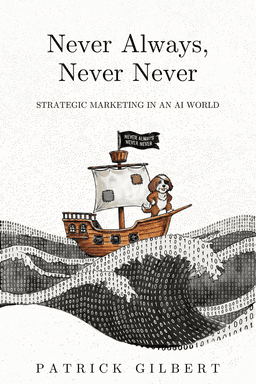
Enjoying this? Never Always, Never Never goes much deeper into the mental models and decision frameworks that shape how we think.
How 5-hour Energy Claimed a Category Entry Point
The story of 5-hour Energy illustrates mental availability marketing at its finest. While coffee brands focused on morning rituals ('The best part of waking up is Folgers in your cup'), 5-hour Energy identified an overlooked opportunity. Scientists know that most people experience a natural energy dip between 1:00 and 3:00 p.m. Instead of competing for the crowded 'morning energy' space, they claimed ownership of 'That 2:30 Feeling.'
- They identified a specific, universally experienced need state
- They created memorable advertising that linked their brand to this precise moment
- They avoided direct competition with established coffee and soda brands
- They built a mental shortcut from afternoon fatigue directly to their product
This strategy worked because it created a direct neural pathway between a common experience and their brand solution. Every time someone felt that afternoon slump, 5-hour Energy had positioned itself as the obvious answer.
Building Memory Structures That Stick
Disney provides a masterclass in building comprehensive memory structures. The brand doesn't just own 'family vacation.' It has created connections to hundreds of everyday triggers: fairytale castles, princess references, family photos in matching shirts, even specific foods and weather conditions. As Patrick Gilbert describes in the book, these memory links work both ways. A piña colada might trigger thoughts of Disney's Boardwalk Resort, which reinforces Disney's connection to vacation relaxation.
Neurological research shows that repeated exposure to certain cues reinforces neural pathways, making these connections 'stickier' in memory. This is why McDonald's golden arches don't just represent a logo. They trigger thoughts of fast food, hunger satisfaction, and convenience. The more memory structures a brand builds, the more buying situations it can win.
Measuring Mental Availability
Mental availability can't be measured through traditional brand awareness surveys. Instead, marketers need to assess [brand salience](/learn/glossary/brand-salience) - the brand's ability to come to mind in relevant buying situations. This requires testing recall in context, not just recognition in isolation.
Brand salience is measured by the quantity and quality of memory links to and from a brand. It's your share of consumers' minds when they enter buying situations.
- Conduct situational recall studies rather than aided awareness surveys
- Map the Category Entry Points most relevant to your business
- Test which brands consumers think of first in specific buying scenarios
- Monitor your brand's connection strength to key purchase triggers over time
- Track mental availability changes following advertising campaigns
The Cumulative Effect of Mental Availability Marketing
Mental availability marketing works through cumulative reinforcement rather than dramatic overnight changes. Advertising doesn't force immediate behavioral shifts. Instead, it gradually increases the probability that your brand will be recalled when buying situations arise. This patience-required approach explains why many marketers underestimate advertising effectiveness. They expect immediate results but mental availability builds over time through consistent reinforcement of memory structures.
The goal isn't to create brand fanatics. It's to make your brand easy to think of when someone enters your category. This approach aligns perfectly with the Ehrenberg-Bass finding that growth comes from [light buyers](/learn/light-buyers) making occasional purchases, not from increasing loyalty among existing customers. Mental availability gives you the best chance of winning those light buyer moments.
Key People & Works
Researchers & Authors
- Byron Sharp
- Jenni Romaniuk
- John F. Mars
Practical Applications
- Map all Category Entry Points relevant to your brand and identify which ones competitors own
- Create advertising campaigns that link your brand to specific buying situations rather than just promoting features
- Build distinctive brand assets that can be mentally linked to multiple purchase triggers
- Measure mental availability through brand salience studies that test recall in buying situations
- Develop content marketing that reinforces memory structures between your brand and customer needs
Frequently Asked Questions
What is mental availability in marketing?
Mental availability is a brand's ability to come to mind when consumers are in relevant buying situations. It's different from brand awareness because it measures recall in context, not just recognition. According to Byron Sharp, mental availability is built through memory structures that connect brands to Category Entry Points - the specific triggers that bring product categories to mind.
How do Category Entry Points work in mental availability marketing?
Category Entry Points (CEPs) are the situations, needs, or emotions that trigger consumers to consider a product category. Examples include 'I'm hungry and in a rush' for fast food or 'That 2:30 feeling' for energy products. The more strongly your brand is linked to relevant CEPs, the more likely consumers are to think of you when those situations arise.
How is mental availability different from brand awareness?
Brand awareness measures whether consumers recognize your brand when prompted. Mental availability measures whether your brand comes to mind unprompted in relevant buying situations. According to Patrick Gilbert, recognition without relevance isn't enough - Yahoo! has high awareness but low mental availability because people don't think of it when they need search or news.
Can mental availability be measured?
Yes, mental availability is measured through brand salience studies that test unprompted recall in specific buying contexts. Instead of asking 'Do you know Brand X?', researchers ask 'What brands come to mind when you need energy in the afternoon?' This reveals which brands have the strongest memory links to relevant Category Entry Points.
How long does it take to build mental availability?
Building mental availability requires sustained effort over time because it works through cumulative reinforcement of memory structures. According to the Ehrenberg-Bass Institute research, advertising gradually increases the probability of brand recall rather than creating immediate behavioral changes. Consistent messaging that links your brand to relevant buying situations builds stronger mental availability over months and years.
Why did 5-hour Energy succeed with mental availability marketing?
5-hour Energy succeeded by claiming an overlooked Category Entry Point - the afternoon energy crash around 2:30 PM. While coffee brands focused on morning energy, 5-hour Energy created a direct mental link between 'That 2:30 feeling' and their product. This allowed them to avoid competing directly with established brands while owning a specific, universally experienced need state.
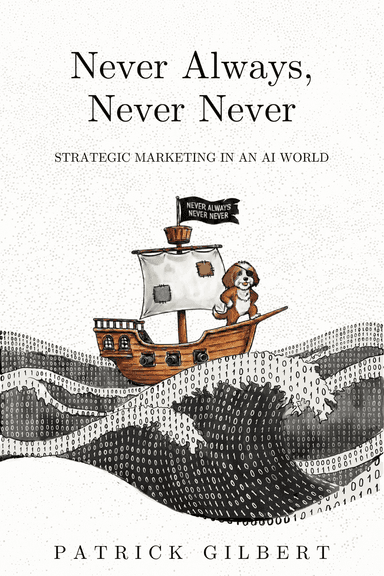
From the Book
Chapter 10 reveals how Disney built an empire of memory triggers and why McDonald's golden arches do more than just mark locations. Gilbert shows exactly how to map your Category Entry Points and build the memory structures that convert light buyers into customers.
This is just a glimpse. The book explores dozens of cognitive biases and decision-making frameworks that change how you think, decide, and act.
Want to go deeper on this topic?
Chat with the AI companion to explore these concepts with the full context of the book.
Chat about this topicRelated Reading
Distinctive Brand Assets: How to Build Mental Shortcuts That Drive Brand Recognition
Learn how distinctive brand assets create mental shortcuts for brand recognition. Jenni Romaniuk's framework for brand distinctiveness over differentiation.
conceptLight Buyers Marketing: Why Occasional Customers Drive Brand Growth
Light buyers, not loyal customers, drive brand growth. Learn why Ehrenberg-Bass research shows occasional purchasers matter more than super-fans.
conceptPhysical Availability Marketing: How Distribution Strategy Drives Brand Growth
Physical availability ensures your brand is easy to buy when customers want it. Learn distribution strategies for digital and physical channels.
conceptThe Halo Effect in Marketing: How Brand Advertising Lifts All Performance
Learn how the halo effect in marketing creates brand lift across all channels. Research-backed strategies from Patrick Gilbert's Never Always, Never Never.
BlogMental Availability: The Marketing Concept Most Digital Marketers Ignore
Mental availability is the single most important driver of brand growth. Most digital marketers have never heard of it. Here's why that matters.