The Attention Spectrum: A Framework for Emotional Advertising Effectiveness
Quick Answer: emotional advertising framework
The attention spectrum is a framework for understanding how advertising creates memory and drives brand growth. At one end sits purely rational advertising: features, specifications, price comparisons, and logical arguments. At the other end sits purely emotional advertising: stories, characters, feelings, and sensory cues that bypass conscious evaluation. Research from Les Binet, Peter Field, and the IPA Effectiveness Awards consistently shows that emotional campaigns outperform rational ones for long-term brand building, because they work through System 1 thinking, the fast, automatic processing that governs most purchasing decisions. The most effective advertising does not challenge people to think. It gives them something to feel.
Emotion Is Not What You Think It Is
Marketers tend to overcomplicate the idea of emotional advertising. They assume it only applies to ads that make audiences cry during the Super Bowl, campaigns that lean heavily on nostalgia, or heartwarming holiday spots that play like short films. As Patrick Gilbert writes in Never Always, Never Never, emotion does not always look like tears or laughter. Sometimes it is much smaller and more ordinary. Sometimes it is just a feeling you do not even realize you are having. Consider Safelite, the auto glass repair company. Their jingle is about as straightforward as it gets: 'Safelite repair, Safelite replace.' Four words, sung with a cadence that rises and then falls like an exhale. A sigh of relief. The copy itself is not clever or sentimental. And yet, every time you hear it, you feel a tiny sense of reassurance. The tone of voice communicates the brand promise better than the words themselves: your problem will be taken care of, you can breathe out, it is handled. That is what emotional advertising really is: making people feel something, anything, that ties back to your brand. Relief. Comfort. Trust. Value. Excitement. Even mild amusement. If the audience feels it, they will remember it. And if they remember it, you have improved your chances of being chosen.
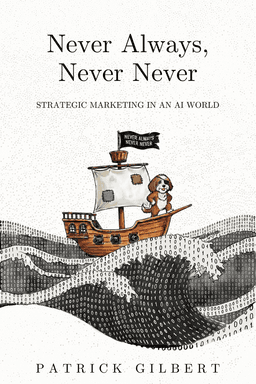
Enjoying this? Never Always, Never Never goes much deeper into the mental models and decision frameworks that shape how we think.
Characters, Animals, and the System 1 Shortcut
Characters work in advertising because they give stories a face. Unlike celebrities, who bring their own baggage and the constant risk of scandal, brand characters exist for one purpose: to tell your story. Patrick Gilbert traces the effectiveness of characters across decades of advertising. Jake from State Farm has lasted more than a decade even though the actor has changed. Tony the Tiger, the Kool-Aid Man, and the M&M characters cross generational lines. Before 2006, Dos Equis was a small Mexican beer with almost no U.S. presence. Then came The Most Interesting Man in the World, and sales rose nearly 30% at a time when imported beers were losing ground to craft. Les Binet pushes this even further with what he calls 'The Power of Fur.' Animals in advertising consistently outperform human-led creative. A 2020 peer-reviewed study found that animal-led ads generated more favorable attitudes toward the brand than identical ads featuring human models. System1's testing of nearly 200 U.S. TV spots found that ads with animals drove the highest levels of positive emotional response. Binet explains why: there is something deeply embedded in our psyche that responds well to being sold to by animals. Animals lower our defenses. System 2, the skeptical rational brain, relaxes. System 1 takes over and simply thinks: that is cute. If a human actor bragged about how clean their backside felt after using the bathroom, the spot would be offensive. But the Charmin Bears have been delivering that exact message for more than 25 years.
The Duolingo Exception That Proves the Rule
Patrick Gilbert points to Duolingo as one of the rare modern brands that has applied the emotional advertising playbook in the digital era. The company is less than 15 years old, yet it has built its entire marketing strategy around an animated green owl named Duo. Duo does not deliver rational messages about the science of language learning. He has become famous for threatening users to complete their lessons, starring in memes, and appearing in absurdist videos that parody trending pop culture. The owl's chaotic personality lives natively on social platforms in a way that traditional brand characters never could. The results are difficult to argue with. In the five years since Duo became the face of the brand's humor, Duolingo's TikTok following has grown from 50,000 to over 16 million. Revenue has grown more than tenfold, from about $70 million in 2019 to roughly $750 million by the end of 2024. Gilbert uses Duolingo as a challenge to the rest of the digital-first business world. He asks readers to name a single direct-to-consumer brand born in the digital era that has invested in building a true character. Warby Parker, Allbirds, Peloton. These are strong brands, but their ads are filled with influencers, polished product shots, and discount codes. Almost none have created a character that carries emotional weight the way legacy brand characters do. That gap is an opportunity. Your customer scrolls through Instagram or TikTok and sees a blur of lookalike ads. A distinct character, showing up again and again, becomes a memory shortcut that no static image or promotional offer could match.
Rational arguments fade, but feelings stick. The campaigns that build mental availability over time aren't the ones that challenge people to think. They're the ones that give people something to feel.
Patrick Gilbert, Never Always, Never Never
How It Works
Audit Your Current Creative on the Spectrum
Plot your existing ads from purely rational (features, price, specifications, logical arguments) to purely emotional (story, character, feeling, sensory cues). Most digital-first brands discover they are clustered entirely on the rational end. If every ad leads with a discount code or product comparison, you have a clear gap.
Identify Your Emotional Territory
What feeling should your brand own? Relief (Safelite), nostalgia and maternal warmth (Campbell's Chunky Soup), amusement and absurdity (Duolingo), aspiration (Dos Equis). The feeling does not need to be dramatic. Even mild reassurance or curiosity counts. The key is consistency: one emotional territory, reinforced over time.
Build a Distinctive Character or Asset
Characters give stories a face and create memory shortcuts. They can be human (Jake from State Farm), animal (GEICO Gecko, Aflac Duck), or animated (Duo the Owl). Animals are particularly effective because they trigger System 1 engagement and lower consumer defenses. Your character does not need a massive budget. It needs consistency.
Test for Feeling, Not Just Recall
When evaluating creative, ask what the audience felt, not just whether they remember the ad. System1's Star Rating methodology measures emotional response as a predictor of long-term brand growth. Ads that score high on emotional response are three times more likely to drive market share growth.
Commit to Consistency Over Novelty
Emotional advertising compounds through repetition. The Charmin Bears have been running for 25 years. Guinness's distinctive assets have accumulated for decades. Resist the urge to reinvent your creative every quarter. Layer new work on top of established emotional territory. Creativity matters, but without consistency, creativity does not compound.
Frequently Asked Questions
What is the attention spectrum in advertising?
The attention spectrum ranges from purely rational advertising (features, price, logical arguments) to purely emotional advertising (stories, characters, feelings). Research consistently shows that emotional campaigns outperform rational ones for long-term brand building because they work through System 1 thinking, the automatic processing that governs most purchasing decisions.
Why does emotional advertising work better than rational advertising?
Rational arguments require conscious evaluation (System 2 thinking), which is slow and effortful. Consumers rarely engage System 2 during purchasing decisions. Emotional advertising works through System 1, creating automatic associations between feelings and brands. These associations compound over time, building the memory structures that drive mental availability.
Do you need big budgets for emotional advertising?
No. Duolingo built one of the most effective character-driven campaigns of the digital era using primarily organic social content. The investment is in creative thinking and consistency, not production value. A distinctive character or emotional territory, maintained over time, compounds regardless of budget size.
Why are animals effective in advertising?
Animals trigger an innate biophilia response that lowers consumer defenses. System 2 skepticism relaxes when an animal delivers the message instead of a human. Research from System1 and academic studies consistently shows that animal-led ads generate stronger positive emotional response, higher brand recall, and greater likelihood of driving market share growth.
What is the 'people like me' myth in advertising?
Marketers assume that casting people who look like the target audience creates connection. But surface-level resemblance does not create emotional resonance. Les Binet's British Meat campaign found that an elderly couple in their 80s outperformed every other concept with all demographics. The magic was in the story, not the casting.
Why have digital-first brands ignored emotional advertising?
The digital era's obsession with short-term ROAS optimization left brand characters behind. Performance marketing rewards what can be measured immediately: clicks, conversions, discount code redemptions. Emotional advertising's effects compound over months and years, making it invisible to dashboards that only look at the last 30 days.
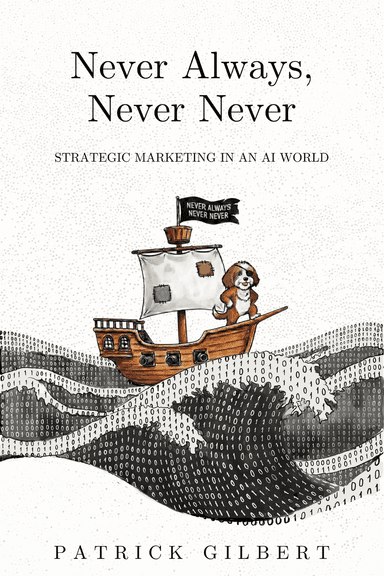
From the Book
Chapter 15 traces the emotional edge from Safelite's jingle through Campbell's 'Mama's Boy' campaign and Duolingo's green owl, showing why the campaigns that build mental availability are the ones that make people feel, not think.
This is just a glimpse. The book explores dozens of cognitive biases and decision-making frameworks that change how you think, decide, and act.
Want to go deeper on this topic?
Chat with the AI companion to explore these concepts with the full context of the book.
Chat about this topicRelated Reading
Emotional Advertising Effectiveness: Why Feelings Beat Logic in Marketing
Discover why emotional advertising outperforms rational appeals. Research from Binet & Field plus proven examples from Campbell's, Duolingo & more.
conceptDistinctive Brand Assets: How to Build Mental Shortcuts That Drive Brand Recognition
Learn how distinctive brand assets create mental shortcuts for brand recognition. Jenni Romaniuk's framework for brand distinctiveness over differentiation.
conceptMental Availability Marketing: How Brands Win the Battle for Memory
Mental availability marketing builds brand recall through category entry points. Learn how McDonald's, Disney & others dominate consumer memory structures.
frameworkCategory Entry Points: A Framework for Building Mental Availability
Learn how to map, audit, and build category entry points to increase your brand's mental availability. A practical framework based on Jenni Romaniuk's research.
frameworkThe 60/40 Rule: How to Split Your Marketing Budget Between Brand and Performance
Learn how to apply Binet and Field's 60/40 brand-to-performance marketing budget split. Understand the research, why most digital brands get it wrong, and how to implement it.
BlogMental Availability: The Marketing Concept Most Digital Marketers Ignore
Mental availability is the single most important driver of brand growth. Most digital marketers have never heard of it. Here's why that matters.