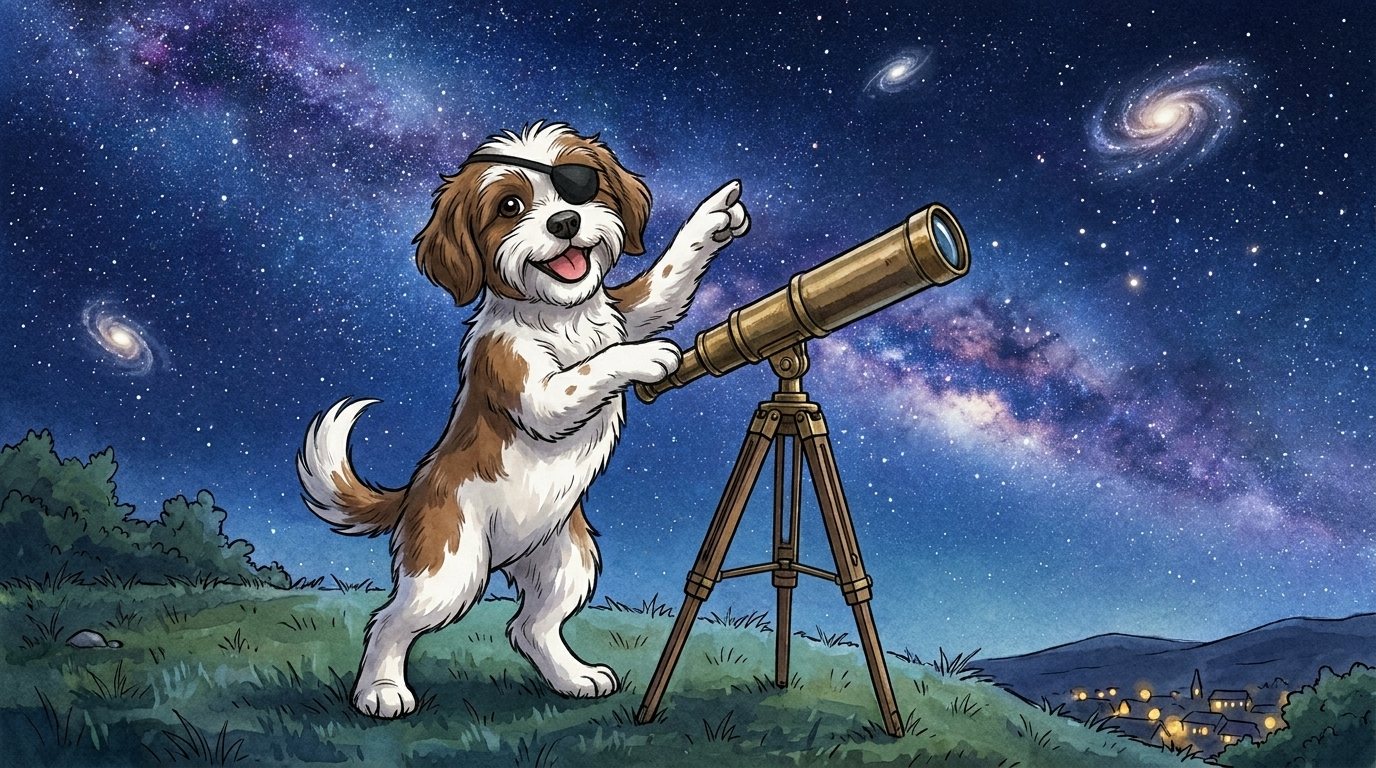
AI Video and Marketing's Fermi Paradox
Where Is Everybody?
In 1950, the physicist Enrico Fermi asked a question over lunch that scientists are still arguing about.
The universe is enormous and very old. There are hundreds of billions of galaxies, each with hundreds of billions of stars, and a great many of those stars have planets.
Given that much time and that many planets, intelligent life, meaning aliens, should have appeared many times over, and some of it should have been around long enough to leave evidence we could detect.
Astronomers have estimated how many planets in our own galaxy could support life, and even the conservative versions of those estimates make it hard to believe we are alone. And yet we have never found a single sign of anyone else, not a signal or a probe or a visitor.
So where is everybody? That question is the Fermi Paradox.
For the last year or so we have been hearing that AI can do some outrageous things for marketing. Depending on who is talking, it can automate your entire marketing program, produce Super Bowl-worthy commercials for pennies on the dollar, or let you fire your marketing team and replace them with a subscription.
The implication is that marketing has been solved, that the hard part is over, and that anyone can now build the next Coca-Cola brand or MrBeast empire.
If that were true, the evidence would be everywhere. Every small brand in every category would be running work that looks like it cost a fortune.
So where is everybody?
This is Marketing's Fermi Paradox.
Two things can be true at once:
- AI is a transformative technology that will permanently change how the marketing world operates.
- Marketing is still an extremely difficult practice that cannot be solved like an equation built into an algorithm.
That was the point of my last issue. In the AI era, raw talent and taste matter more than they ever have.
By raw talent I mean the characteristics that make someone exceptional in a given field: an artist's eye for composition, a writer's ear for prose, a software engineer's instinct for the tool that should exist but doesn't.
For most of history, having those gifts was not enough. You also had to master the tools that allowed you to translate your gift into something real and tangible. An artist might have a great vision, but always needed to master a paintbrush or Photoshop or another tool to allow that vision to come to life. Similarly, a software engineer might have a great idea for an app, but required mastery in programming languages to build and deploy the app.
Tool mastery was always a separate discipline that would be a barrier to entry for many naturally gifted people. A great would-be software engineer's ideas would never come to life if they didn't have the patience to spot a misplaced semicolon in 10,000 lines of code.
That barrier has largely come down. When the tools are available to everyone, the only competitive advantage left is raw talent and taste, which is the one thing not built into a large language model.
In my book I wrote that one of the most overlooked consequences of AI is that it changes what each of us is capable of. Things that no single person or organization could have done before are now within reach. I want to give you one example of how that has played out inside our own agency.
The short version: AI has transformed our creative department and now allows us to produce video content that I never dreamed was possible. But the key here is that it's not about the technology. It's about the people using the technology.
I met Dave Spector about a year ago. Dave is a Webby-nominated video creator with a long career in traditional creative production, the kind of work where you spend years learning editing and directing, which are the skills that let a creative person actually produce the thing in their head.
Underneath those skills is something rarer. His brain works in a way that lets him create worlds and characters with real depth, almost instantly.
Hand him a product and he will come back with characters who have a backstory, and a script that makes an audience feel something. The average person cannot do that. Honestly, there are very few people working inside agency creative departments who can do that.
On top of it, he is a songwriter, and there are melodies and jingles moving around in his head all day. So when an idea and a tune arrive together, he can feed them into the characters and the story and carry the whole thing through to a finished spot.
I once asked him about his creative process. He told me he does not really have one. He sits with "the muse" and waits for it to hand him an idea.
What the hell is the muse? I had never heard of it, and I had to look it up.
The muse, according to Google, is a person, force or inspiration that gives an artist, writer or musician creative ideas. In Dave's telling it is something close to that, a source outside himself that shows up when it decides to and hands him the concept more or less complete. It's as if he doesn't even take credit for any of the ideas as being originally his. It's all the muse.
Footnote: Meta's new personal AI tool, announced earlier this month, is called Muse. Go figure.
The creative industry has always had rules, and before AI anyone with Dave's gifts had to live inside them. You could have a great idea and still never get the budget to make it.
I still lie awake at night thinking about this brilliant TV spot that Marvin Waldman helped us write for Grown Brilliance back in 2022. It was called "Mother Earth," and we wanted to cast Whoopi Goldberg to be the voice actor. They had the budget for it, and it would have been spectacular, but for whatever reason, the idea never made it out of Grown Brilliance's Secaucus, NJ conference room.
When you work in this industry long enough, you come to realize that this is the norm. An actual good idea coming to life is the rare exception.
There are typically too many decision makers, too many rounds of revisions, production schedules that run for weeks or months, shoots that get shut down halfway through, and clients who need to be pleased at every step.
Having great ideas has never meant getting to make them, only getting to make a diluted version after enough concessions.
That began to change in 2025. The first AI video models good enough to take seriously arrived that year, tools that generate video from a written description: Runway's Gen-4 in the spring, then Google's Veo 3 in May.
The art Dave wanted to make: the songs, the short films, the fictional ad concepts for Nike, the full series he had been carrying around in his head—he could now build them himself, on his own time, without a crew or a budget or anyone's permission.
As the models improved through the year, it became clear to him and to a lot of other creative people that this was not going to stay a hobby for long, because real companies were going to want it.
When most people get access to one of these video models, they make an unpolished, low-taste meme that can be sent to their fantasy football group chat. It's a cute parlor trick.
When Dave gets access to the same model, he sees a way to make art.
If I had met Dave two years ago, we would not have had a role for him at this agency.
He would have had the same talent, and in theory he could have brought his ideas to our clients, and those ideas could have made ads that drove real results, and everyone would have won.
Key word there: in theory.
The problem is that every one of his ideas would have cost around $50,000 to produce, because that is what legacy video production costs once you add actors, a crew, lighting, locations, sets, wardrobe, a director, an editor and the weeks of manual work that follow the shoot.
Basically none of our clients have $50,000 sitting around for a 30-second spot. We would have hired him, and then we would have been unable to make anything he came up with, and it would have been a waste of everyone's time.
AI changed that equation.
The same idea, produced to the same standard, now costs a client about 10% of what it would have two years ago.
That changes who gets to make this kind of advertising. A company that had written off quality video production entirely, because the number was never going to work, can now actually commission it.
And once a brand has a spot worth running, the places it can run open up with it. Premium channels that were never on the table, linear television most of all, become a reasonable place to spend money.
We brought Dave on and started him on smaller projects. The first time I really saw the muse hit was MitoGrow.
MitoGrow is a small startup on a bootstrap budget, and we developed these ads for them. The concept is a chorus of singing plants performing a song you will not be able to get out of your head.

Watch them: The Journey (30 seconds) and Not Dead Yet (15 seconds).
Look at either one for a moment and you already know that an intern did not make it. Dave did not open ChatGPT and type make me an AI video for MitoGrow.
He spent something like 50 hours on the project, most of it before he touched a tool: thinking about the brand, humming melodies on the train ride home, reworking the idea, working out how the story plays out, scene by scene.
He recorded himself singing the song. Only then did the AI come in, to turn what he had already made into what you just watched.
After the spots went live, one of MitoGrow's customers sent them an email, which they forwarded to us. It said: "Love your 'Not Dead Yet' commercial with the dancing pansies! PLAY IT AGAIN AND AGAIN... and I have made a purchase of this fertilizer! BECAUSE OF THE COMMERCIAL!!"
I have run performance marketing campaigns for 10 years, and performance agencies do not get emails like that. We have always scrapped creative together out of whatever was cheapest and fastest, with the lowest possible barrier to entry, because the economics left no other option.
Nobody writes to a company's customer service department to say they love the unboxing video produced by a micro-influencer. That kind of reaction belongs to brands with real creative budgets, and in 10 years it had never happened to one of our clients.
Two years ago, those ads would never have seen the light of day.
For a decade, AdVenture Media could never make a creative department work. We hired in-house and freelance designers, built a long list of vendors, and went through one production-house partnership after another. Every one of them hit the same wall: great creative was slow and expensive, most of our clients could not afford it, and it became a luxury for the few accounts with real budgets.
Even those accounts paid for it in time. High costs meant red tape, sign-offs and rounds of edits that usually made the original idea worse by the time it was finished, and once the ad went live there was no budget left to test a second version. In 2025 we spent 6 months developing a single commercial for one of our multinational consumer packaged goods clients. Six months! For one asset!
A bootstrapped startup like MitoGrow would never have made it through that system. Without those ads, it's unlikely the brand would have seen the explosive growth it has in its first year of operation.
Dave is not the only one. Gabrielle Dailey has an extensive background running performance ads, but she also has a knack for story, design and a bit of comedy.
She concepted and produced a series for Exotic Nutrition, a company in Norfolk, Virginia that makes food for exotic pets and has been a client of ours since 2018. The concept is a podcast hosted by a skunk and a rotating cast of other exotic animals.
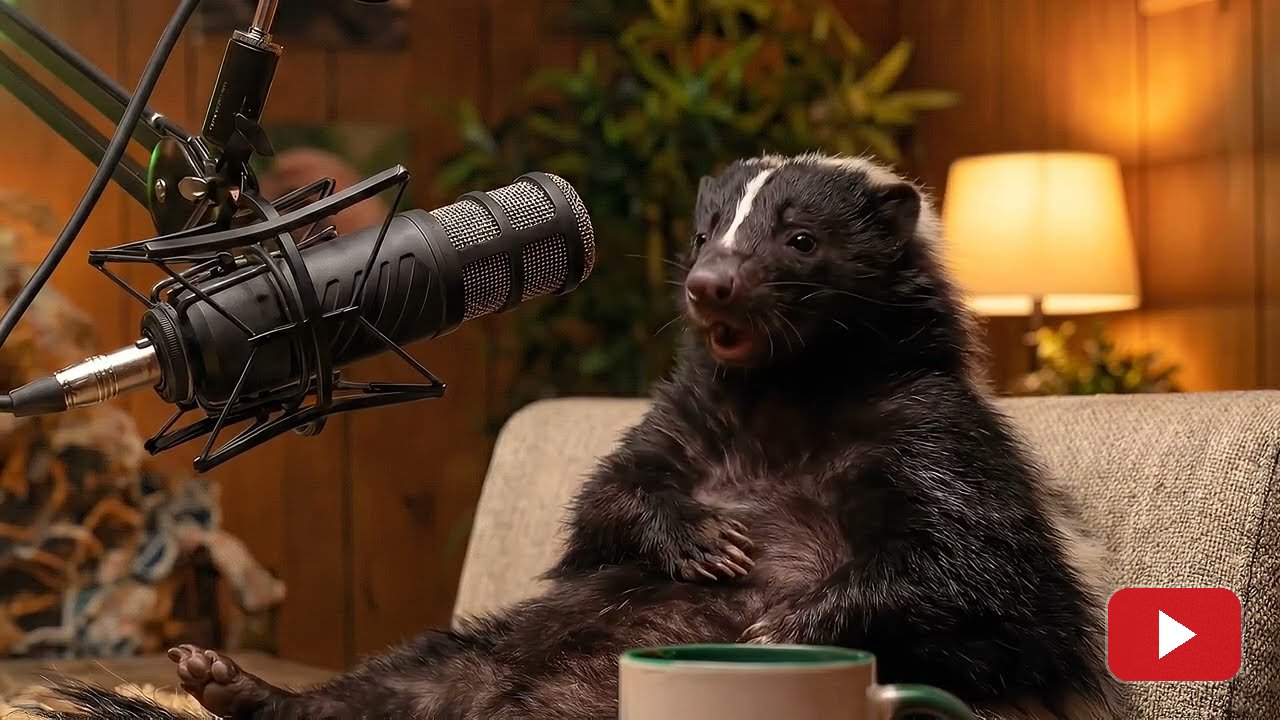
Watch them: The Skunk and Back to the Wild.
The client loved it and asked for more. It is the most effective work we have ever run for that account at driving incremental profit, engagement and brand lift, in nearly 9 years of working together.
None of it would have been possible without two things:
- Exceptionally talented creative people on the team
- Access to frontier AI tools
Both of these together allow us to generate world-class creative for a fraction of the cost, finally making it accessible to the large share of small and medium-sized businesses.
There is one more consequence I did not see coming. The work started to get around.
In March, I received an email introduction from an old friend who had seen the MitoGrow ad. He was introducing me to a friend of his who owns a company called Augusta Lawn Care: "Tom, meet Patrick. Patrick's company is making the kind of ads we were discussing last week. You should chat."
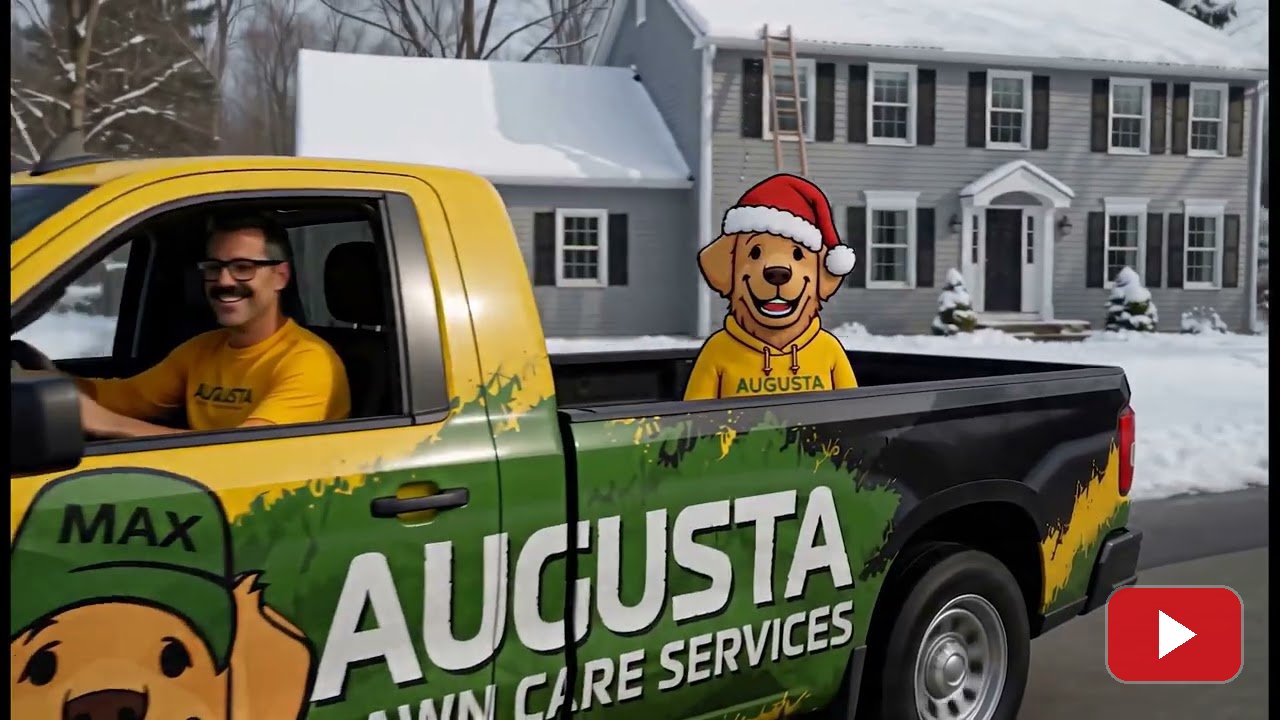
Augusta is a small local business in West Chester, PA without a large marketing budget. For a few reasons, this would not have been a great client fit for us before 2026. But they weren't looking for an ongoing marketing partner—they needed one or two assets to help establish their local brand.
And for the first time in AdVenture's 12-year history, we had a solution for them.
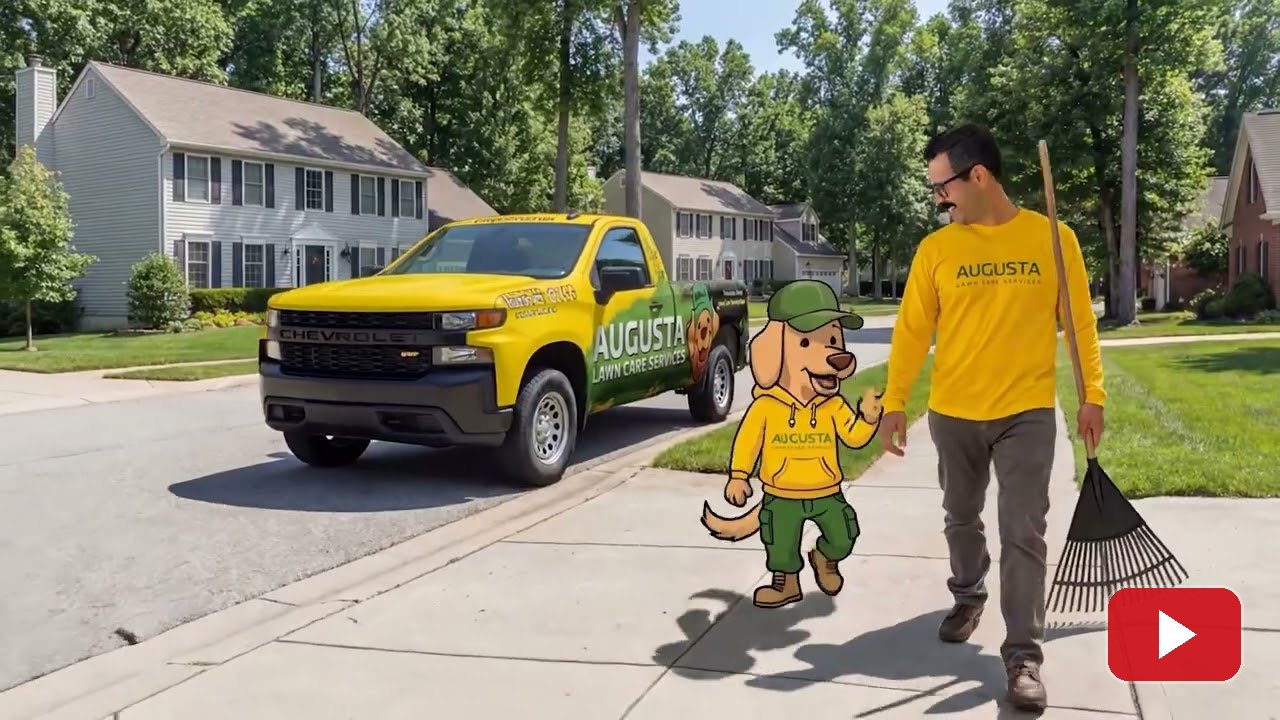
Watch it: Augusta Lawn Care.
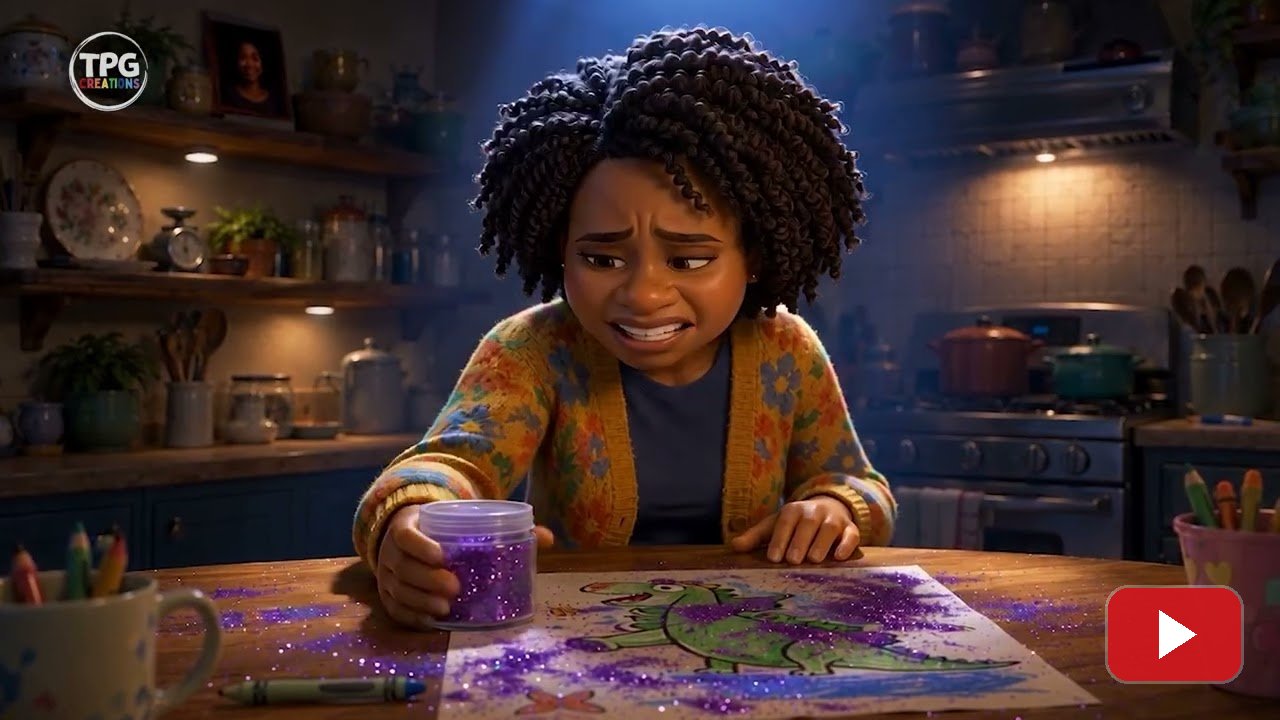
Soon after, I met the owner of TPG Creations, a manufacturer of arts and crafts supplies. They had just released a new, innovative product called Glitter Stix: the world's first-ever mess-free glitter. Similar to Augusta, they didn't need an ongoing agency partner—they just needed help with one or two high-quality creative assets.
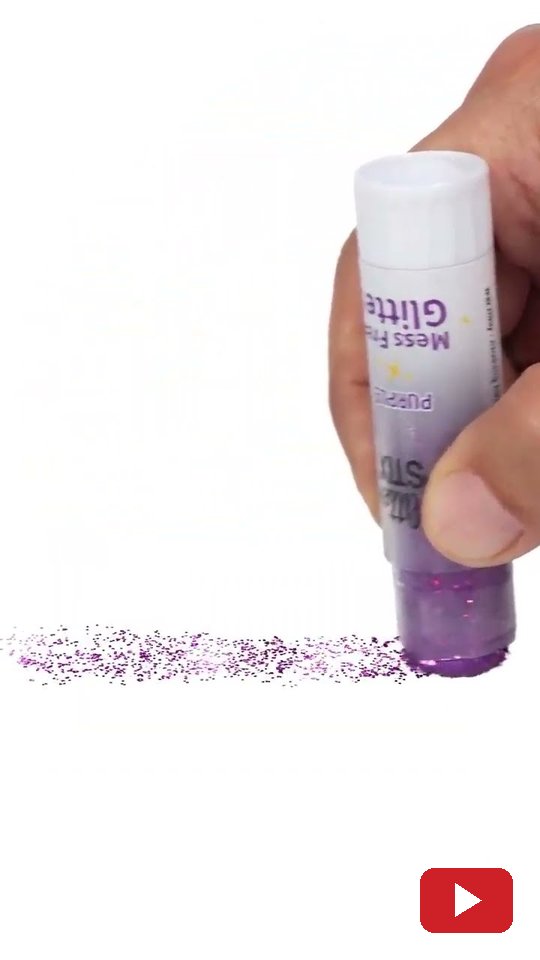
Watch it: Glitter Stix (6-second vertical spot).
These are two companies that, before 2026, would never have become client opportunities. But thanks to our new creative operation, fueled by AI, we dramatically increased the addressable market we could go after.
And those first two projects were so successful that both clients came back a few months later for additional commercials, starting with a back-to-school ad for Glitter Stix, then a holiday-themed ad for Augusta.
 |
 |
These all live on my YouTube channel.
That one shift, the collapse in what it costs to produce a great video, changed what people like Dave and Gabrielle do for a living, changed what kind of agency we are, and changed the market share and profit potential of millions of businesses that had been priced out of real advertising.
I'm not a scientist, but I have my own answer to the Fermi Paradox. I think there are elements of Earth that make it unique, things that can't easily be described or reduced to a math equation, and that is what makes life possible here and (as far as we currently know) not possible on planets that look just as habitable on paper.
The Fermi Paradox of marketing has the same answer. AI really is transforming this industry, and it has made great advertising accessible to far more businesses than ever before. So why haven't we woken up in a world where everyone can suddenly do this?
It's hard to describe. But when you meet someone who walks around talking about "the muse" all day, and you compare the quality of their work to the no-talent slop that has given AI-generated video such a bad reputation, you know the answer.
AI has raised the ceiling and lowered the floor in so many industries. Raw marketing talent will always win, and it will always be valuable. Don't let anyone tell you otherwise.
One Request... If you or someone you know would benefit from high-quality video production, we'd love to have a conversation. Feel free to reply to this email and I'll send you more information. |
Personal carve out
I want to apologize for missing last week's issue. I completely skipped it, and I feel bad about it.
The truth is that I had a rough week, which included the passing of my aunt. I sat down on Saturday night attempting to write this issue, and my drafts were awful. Needless to say, "the muse" was not with me last week. But after a few days of family, football, and Irish music, I came back to it and feel much better about how it all came together.
I hope you enjoyed this issue.
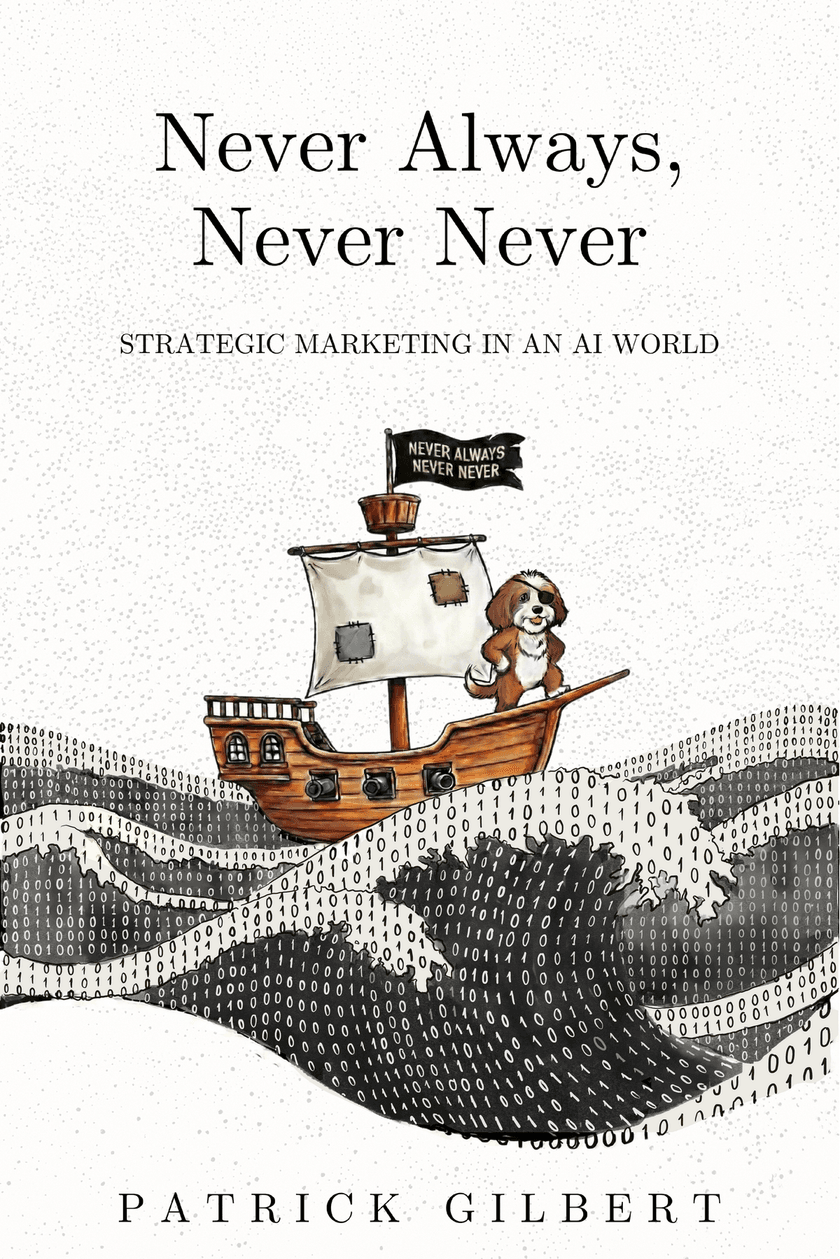
The chapter on how AI changes what each of us is capable of is chapter 30. Prefer to listen? The audiobook is on Spotify and Audible.