Mental Availability vs Brand Awareness: The Critical Difference Most Marketers Miss
Quick Answer: mental availability vs brand awareness
Mental availability and brand awareness serve different functions in consumer decision-making. Brand awareness measures whether consumers recognize or recall a brand when prompted. Mental availability measures whether a brand comes to mind automatically during buying situations. Yahoo! demonstrates this difference: most people know the brand (awareness) but rarely think of it when seeking information (poor mental availability). Mental availability depends on Category Entry Points—situational cues that trigger brand recall. McDonald's succeeds because hunger automatically triggers thoughts of their brand for millions of consumers. Building mental availability requires creating strong neural connections between buying situations and your brand through consistent exposure and distinctive assets.
| Dimension | Mental Availability | Brand Awareness |
|---|---|---|
| Definition | Being remembered automatically during buying situations | Being recognized or recalled when prompted about a category |
| Measurement | Share of mind during category entry points | Aided and unaided brand recall percentages |
| Consumer Behavior | Drives spontaneous brand consideration | Enables brand recognition when encountered |
| Neural Process | Automatic memory retrieval triggered by situational cues | Recognition through exposure to brand assets |
| Business Impact | Increases probability of brand choice during purchase | Creates foundation for potential consideration |
| Building Method | Connecting brand to Category Entry Points through distinctive assets | Repeated exposure to brand name and visual identity |
| Competitive Threat | All solutions linked to the same buying situation | Direct category competitors and substitutes |
| Success Example | 5-hour Energy owning 'That 2:30 Feeling' | Yahoo! having high recognition but low usage |
The Yahoo! Problem: When Awareness Isn't Enough
Most marketers conflate brand awareness with mental availability, but they're fundamentally different concepts. Brand awareness measures recognition and recall. Mental availability measures whether your brand comes to mind during buying moments. Yahoo! perfectly illustrates this distinction. Nearly everyone recognizes the brand and knows what Yahoo! does. But when did you last visit Yahoo.com for news or use their search engine? High awareness, poor mental availability. Recognition without relevance is not enough. As Patrick Gilbert argues in Never Always, Never Never, the real prize isn't being known—it's being remembered in the moments that matter.
The consumer is loyal to the brand they can find.
John F. Mars
How Mental Availability Actually Works
Mental availability operates through what Jenni Romaniuk calls Category Entry Points (CEPs). These are the situational triggers that bring a product category to mind: 'I'm hungry and in a rush,' 'We need a family vacation,' or 'I've hit the 2:30 p.m. slump.' The brands with the strongest mental availability have created the most neural pathways connecting their brand to these buying situations.
Consider McDonald's golden arches. Brand awareness research might measure whether people recognize the logo or can name McDonald's as a fast-food restaurant. Mental availability research examines whether feelings of hunger automatically trigger thoughts of McDonald's. For millions of people, that neural connection is so strong it happens without conscious effort. This is [brand salience](/learn/glossary/brand-salience) in action.
Mental availability is about being remembered. Physical availability is about being reachable. Both are required for growth.
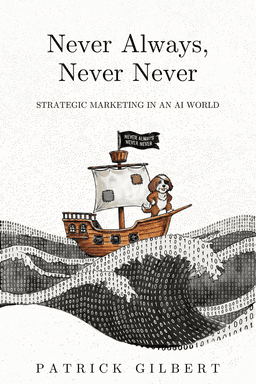
Enjoying this? Never Always, Never Never goes much deeper into the mental models and decision frameworks that shape how we think.
The 5-Hour Energy Breakthrough
5-hour Energy demonstrates how mental availability thinking creates competitive advantage. Traditional caffeinated beverage advertising focused on morning consumption: 'The best part of waking up is Folgers in your cup.' But 5-hour Energy identified an overlooked Category Entry Point. Scientists know most people experience natural energy dips between 1:00 and 3:00 p.m. By framing their product as the solution to 'That 2:30 Feeling,' they claimed ownership of a specific buying situation that competitors had ignored.
This wasn't about building general brand awareness. It was about creating a strong mental association between a specific problem and their solution. When consumers experience afternoon fatigue, 5-hour Energy has increased the probability they'll think of that distinctive small bottle rather than coffee, soda, or other alternatives.
Why Competitors Are Bigger Than You Think
Brand awareness research typically focuses on direct category competitors. Mental availability reveals a broader competitive landscape. As Byron Sharp explains, when consumers realize they're feeling tired, their brain can jump to multiple solutions: coffee, Coca-Cola, a brisk walk, or a swim. Competitors are all other options linked to the same cue. This expanded view of competition explains why some brands struggle despite high category awareness—they're fighting battles they don't even realize they're in.
- Traditional awareness: Pepsi vs. Coca-Cola
- Mental availability: Pepsi vs. Coca-Cola vs. coffee vs. energy drinks vs. water vs. taking a break
- The winner: whichever option has the strongest neural connection to the specific buying situation
Building Memory Structures That Last
Brand awareness campaigns often emphasize message repetition and category positioning. Mental availability requires building what researchers call memory structures—networks of associations that connect your brand to buying situations. Disney excels at this approach. A glimpse of a fairytale castle, mention of a princess, or photo of families in matching vacation shirts triggers thoughts of Disney for millions of consumers.
These memory structures extend far beyond obvious brand assets. Rain ponchos, hot pretzels, piña coladas—individually insignificant cues that collectively reinforce Disney's mental availability for family vacation decisions. Neurological research shows that repeated exposure to situational cues reinforces neural pathways, making these connections increasingly automatic over time.
Advertising works by reinforcing mental connections over time. It doesn't force dramatic behavioral shifts overnight—it increases the probability that your brand will be recalled when a buying situation arises.
Frequently Asked Questions
What's the difference between mental availability and brand awareness?
Brand awareness measures whether consumers recognize or recall your brand when prompted. Mental availability measures whether your brand automatically comes to mind during buying situations. Yahoo! has high awareness but poor mental availability—people know the brand but rarely think of it when seeking information.
How do you measure mental availability vs brand awareness?
Brand awareness uses aided and unaided recall surveys asking consumers to name brands in a category. Mental availability measures share of mind during Category Entry Points—specific buying situations like 'I'm hungry and in a rush' or 'I need an energy boost at 2:30 p.m.'
Can a brand have high awareness but low mental availability?
Absolutely. Many established brands suffer from this problem. Consumers recognize them and understand what they offer, but these brands don't come to mind automatically during purchase decisions. This explains why some well-known brands struggle with market share despite high recognition.
Why does mental availability matter more for growth?
According to research by Byron Sharp and the Ehrenberg-Bass Institute, brands grow by nudging light buyers toward one more purchase. Mental availability determines whether your brand gets considered during these critical buying moments. High awareness without mental availability means missing sales opportunities.
What are Category Entry Points in mental availability?
Category Entry Points are situational cues that bring a product category to mind: feeling hungry, needing energy, planning a vacation, or wanting entertainment. Brands with strong mental availability have created neural connections between these situations and their brand through consistent messaging and distinctive assets.
How does mental availability affect competitive strategy?
Mental availability reveals broader competition than traditional brand awareness research. When consumers need energy, they might consider coffee, soda, energy drinks, exercise, or rest. Successful brands understand they're competing against all solutions linked to the same buying situation, not just direct category competitors.
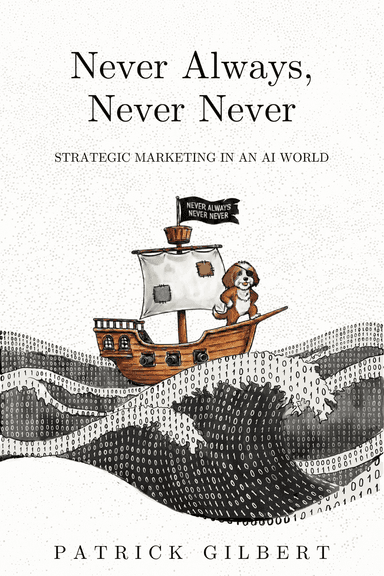
From the Book
Chapter 10 explores how brands win by being remembered in buying moments, not just recognized in surveys. Patrick Gilbert reveals why mental availability beats brand awareness for driving growth.
This is just a glimpse. The book explores dozens of cognitive biases and decision-making frameworks that change how you think, decide, and act.
Want to go deeper on this topic?
Chat with the AI companion to explore these concepts with the full context of the book.
Chat about this topicRelated Reading
Mental Availability: The Marketing Concept Most Digital Marketers Ignore
Mental availability is the single most important driver of brand growth. Most digital marketers have never heard of it. Here's why that matters.
BlogWhy the Old Playbook Is Broken
The platform tricks and optimization shortcuts that built most digital marketing careers have been commoditized. Here's what actually changed and what to do about it.