Light Buyers vs Loyal Customers: Where Smart Brands Focus Their Marketing
Quick Answer: light buyers vs loyal customers
Light buyers represent the majority of customers for most brands and drive 40-50% of revenue, despite buying infrequently. According to Ehrenberg-Bass Institute research, the top 20% of loyal customers typically account for 50-60% of revenue, not the mythical 80% from Pareto's Principle. Light buyers offer greater growth potential because they vastly outnumber heavy buyers and their purchase frequency can increase. Heavy buyers are already maxed out and less responsive to marketing. Successful brands grow by slightly increasing purchase probability among the large base of light buyers rather than extracting more from loyal customers.
| Dimension | Light Buyers Strategy | Loyal Customers Strategy |
|---|---|---|
| Revenue Share | 40-50% of total revenue from vast numbers | 50-60% of revenue from small customer base |
| Growth Potential | High - can increase purchase frequency | Limited - already buying at maximum capacity |
| Marketing Approach | Broad reach, mental availability building | Targeted retention, loyalty programs |
| Purchase Frequency | 1-2 times per year on average | Regular, habitual purchasing patterns |
| Advertising Responsiveness | Responsive to brand awareness campaigns | Less responsive, already committed |
| Customer Acquisition Cost | Lower due to broad targeting | Higher due to precise targeting requirements |
| Behavioral Predictability | Fluctuates based on circumstances | Consistent until major life changes occur |
| Marketing Investment | Mass marketing, brand building | CRM, personalization, exclusive offers |
The Counterintuitive Truth About Customer Value
Most marketers worship at the altar of loyal customers. We've been taught that modern marketing means buyer personas, segmentation, and doubling down on our most valuable customers. The logic seems bulletproof: why chase new customers when you can extract more value from existing ones? As Patrick Gilbert argues in Never Always, Never Never, this conventional wisdom crumbles under scrutiny. The data from successful brands tells a radically different story about where growth actually comes from.
More than half of Coca-Cola customers buy just once or twice per year. Anyone buying three or four times annually is already considered a heavy buyer.
Take Coca-Cola, one of the world's most successful brands. While we all know fanatical Coke drinkers who refuse Pepsi substitutes, they represent a tiny fraction of the customer base. The average Coke buyer purchases 12 times per year, but this average is deeply misleading. The reality is far more skewed: most customers are light buyers who purchase infrequently and often without much thought.
Why Pareto's Principle Fails in Brand Marketing
The famous 80/20 rule has become marketing gospel: 80% of revenue supposedly comes from the top 20% of customers. This appealing narrative drives countless loyalty programs, VIP tiers, and retention strategies. But research from the Ehrenberg-Bass Institute reveals a different reality for successful, growing brands.
Heavy buyers will keep buying in large volumes until one day something momentous happens and they downgrade, drop the brand, or quit the category—all of which is usually out of your control.
Byron Sharp
The top 20% of customers typically account for around 50-60% of revenue, not 80%. That still sounds significant until you consider the implications. The remaining 40-50% comes from light buyers—and because there are vastly more of them, they determine whether brands grow or shrink. Heavy buyers are already maxed out. Light buyers represent untapped potential.
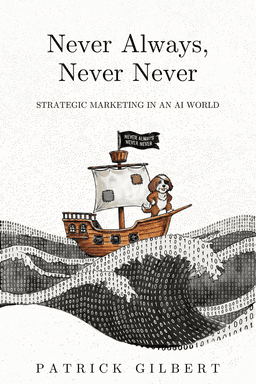
Enjoying this? Never Always, Never Never goes much deeper into the mental models and decision frameworks that shape how we think.
The Law of Buyer Moderation
Customer behavior isn't static. Byron Sharp's Law of Buyer Moderation explains why focusing exclusively on heavy buyers is a strategic dead end. Today's light buyer might become tomorrow's heavy buyer due to life changes, while heavy buyers naturally regress toward the mean over time.
- Bob buys one Coke this year but five next year for a party
- Claire drops from four annual purchases to two after job changes
- Heavy buyers plateau at their natural consumption limit
- Light buyers fluctuate upward with the right triggers
This natural ebb and flow reminds us that brands don't grow by squeezing more from loyal fans. They grow by winning incremental purchases from the masses. The math is compelling: even tiny increases in light buyer frequency create massive revenue gains due to the sheer volume of these customers.
Advertising as Probability Engineering
Understanding light buyers reveals advertising's true mechanism. For the average Coke drinker, there's roughly a 1-in-300 chance they'll buy on any given day. Over a year, that probability hits about once. Coca-Cola spends billions not to create daily cravings, but to nudge that probability slightly upward.
If Coca-Cola increased purchase probability from 1/300 to 2/300 days, they'd effectively double their revenue. Most consumers wouldn't even notice this behavioral change.
This probabilistic nature explains why consumers believe advertising 'doesn't work on them.' It doesn't force dramatic overnight shifts. Instead, it tilts odds slightly in your favor, making your brand marginally more likely to be chosen when consideration moments arise. The absence of visible, immediate change misleads marketers into thinking broad campaigns are ineffective.
When to Focus on Each Customer Type
The choice between light buyers and loyal customers isn't binary. Smart brands recognize when each approach applies. Loyalty strategies work best for brands with naturally high repurchase rates or subscription models. Airlines, coffee shops, and SaaS companies benefit from retention focus because their business models depend on repeat usage.
Light buyer strategies prove most effective for brands seeking growth through market expansion. Consumer packaged goods, automotive, and electronics brands typically see better returns from broad reach campaigns that build mental availability among occasional purchasers. The key is matching strategy to business model and growth stage.
Frequently Asked Questions
What percentage of revenue do light buyers actually drive?
According to Ehrenberg-Bass Institute research, light buyers drive 40-50% of revenue for most successful brands. This contradicts Pareto's Principle, which suggests 80% comes from the top 20% of customers. The reality is more balanced than conventional wisdom suggests.
Why are heavy buyers less responsive to marketing?
Heavy buyers are already purchasing at or near their maximum capacity for the category. They've established habitual purchasing patterns and are less likely to increase frequency regardless of marketing efforts. Additional marketing spend on this group typically yields diminishing returns.
How often do light buyers actually purchase?
Light buyers typically purchase 1-2 times per year for most brands. Using Coca-Cola as an example, more than half of customers buy just once or twice annually. Anyone purchasing 3-4 times per year is already considered a relatively heavy buyer.
Should brands abandon loyalty programs entirely?
Not necessarily. Loyalty programs can be effective for certain business models, particularly subscription services or high-frequency categories. However, brands shouldn't expect loyalty programs alone to drive significant growth. The bigger opportunity often lies in reaching light buyers through broad awareness campaigns.
How does mental availability relate to light buyers?
Mental availability is crucial for light buyers because they purchase infrequently and often impulsively. When a light buyer enters a consideration moment, brands with higher mental availability are more likely to be chosen. This is why broad reach campaigns often outperform narrow targeting for growth.
What's the biggest mistake marketers make with customer segmentation?
Marketers often over-invest in their most valuable customers while ignoring the growth potential of light buyers. They mistake the absence of immediate behavioral change for campaign ineffectiveness, missing the subtle probability shifts that drive long-term growth.
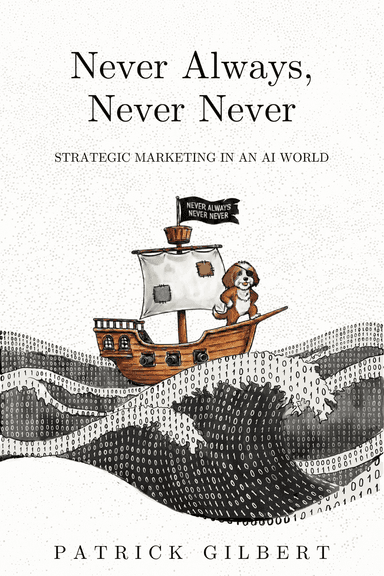
From the Book
Chapter 9 of Never Always, Never Never challenges the marketing obsession with loyal customers, revealing why light buyers hold the key to sustainable brand growth.
This is just a glimpse. The book explores dozens of cognitive biases and decision-making frameworks that change how you think, decide, and act.
Want to go deeper on this topic?
Chat with the AI companion to explore these concepts with the full context of the book.
Chat about this topicRelated Reading
The Negative Binomial Distribution in Marketing: The Customer Demand Curve Explained
The negative binomial distribution describes how real customers buy: a huge head of light buyers and a long tail of heavy buyers. Here's why the curve, not the average, should drive your marketing.
conceptLight Buyers Marketing: Why Occasional Customers Drive Brand Growth
Light buyers, not loyal customers, drive brand growth. Learn why Ehrenberg-Bass research shows occasional purchasers matter more than super-fans.
glossaryDouble Jeopardy Law in Marketing: Why Small Brands Suffer Twice
The double jeopardy law reveals why small brands have fewer buyers who buy less often. Learn this crucial marketing principle from Never Always, Never Never.
BlogMental Availability: The Marketing Concept Most Digital Marketers Ignore
Mental availability is the single most important driver of brand growth. Most digital marketers have never heard of it. Here's why that matters.
BlogWhy the Old Playbook Is Broken
The platform tricks and optimization shortcuts that built most digital marketing careers have been commoditized. Here's what actually changed and what to do about it.
Newsletter · Issue #5Market Share and the Loyalty Fallacy
A $92,300 lab-grown bracelet, a shampoo aisle, and the truth about loyalty.
Newsletter · Issue #3The Customer Demand Curve
The average Coke buyer purchases 12 times a year. The average Coke buyer is not typical.