Smart Bidding
Definition
Google's suite of automated bidding strategies that use machine learning to optimize bids in real-time for conversions or conversion value. These algorithms process vast amounts of data signals to predict the likelihood of conversion for each auction, automatically adjusting bids to meet specified performance targets like Target CPA or Target ROAS.
Quick Answer: smart bidding
Smart bidding refers to Google Ads' machine learning-powered automated bidding strategies that optimize bids in real-time based on conversion likelihood. These systems use structured learning, processing historical conversion data, user signals, and contextual factors to predict which auctions are most likely to drive your desired outcomes. Popular smart bidding strategies include Target CPA (tCPA), Target ROAS (tROAS), and Maximize Conversions. The algorithms require sufficient conversion data to exit the learning phase and perform effectively, typically needing 15-20 conversions per week for optimal performance.
How Smart Bidding Uses Structured Learning
As Patrick Gilbert explains in Never Always, Never Never, Google's smart bidding algorithms rely on structured learning. Unlike unstructured learning systems that explore data without predefined labels, smart bidding works with clearly labeled historical data. The system analyzes your conversion history, matching specific inputs (user demographics, device type, location, time of day, search query) with outputs (conversions and conversion values). This structured approach allows the algorithm to identify patterns and make predictions about future auction outcomes.
The algorithm processes hundreds of signals simultaneously. Beyond basic targeting criteria, it considers factors like browser type, operating system, past site interactions, and even the competitive landscape of each individual auction. This comprehensive analysis happens in milliseconds, with the system calculating the optimal bid for each opportunity based on its learned understanding of what drives conversions for your specific account.
The Learning Phase Challenge
Every smart bidding campaign begins in a learning phase, a critical period that many advertisers misunderstand. During this phase, the algorithm actively explores different bidding strategies, testing hypotheses about which combinations of signals predict conversions. Performance appears volatile because the system is experimenting, not optimizing.
The learning phase is the period when an algorithm is actively gathering data, testing hypotheses, and figuring out which combinations of inputs drive the best outcomes. It's exploration mode.
Patrick Gilbert, Never Always, Never Never
Gilbert uses the analogy of Plinko from The Price Is Right to illustrate this process. Launching a smart bidding campaign is like dropping a disc from the top of the board. You set initial parameters, but the algorithm must bounce through various data signals, testing different paths before finding an optimal strategy. The disc might land in a good slot, but it might not be the best possible slot. This is why smart bidding sometimes requires periodic resets when market conditions change or performance plateaus.
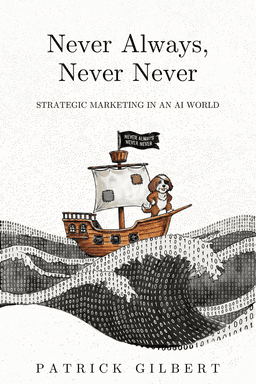
Enjoying this? Never Always, Never Never goes much deeper into the mental models and decision frameworks that shape how we think.
Common Smart Bidding Strategies
Target CPA (tCPA) focuses on acquiring conversions at a specific cost per acquisition. The algorithm increases bids for users it predicts are likely to convert and decreases bids for those less likely to convert, maintaining your target average CPA across all conversions. This strategy works best when you have clear cost constraints and consistent conversion values.
Target ROAS (tROAS) optimizes for conversion value, not just conversion volume. The system calculates the expected value of each potential conversion and bids accordingly. If your products have varying profit margins or transaction values, tROAS helps focus spend on higher-value conversions. However, it requires accurate conversion value tracking to function properly.
Maximize Conversions attempts to drive the most conversions possible within your daily budget. Without a specific CPA target, this strategy can be more aggressive, especially useful during the early stages when you're still determining appropriate target costs. Maximize Conversion Value applies the same logic but prioritizes total conversion value over conversion volume.
The Importance of Campaign Liquidity
Smart bidding performance improves dramatically with what the Interactive Advertising Bureau calls "liquidity." Gilbert references their definition: when machine learning identifies the most valuable impressions by allowing every dollar to flow to the most valuable opportunity. This happens when humans remove constraints and let the system optimize freely.
The more constraints you add to campaigns (narrow audiences, limited placements, fragmented budgets), the less data smart bidding algorithms have to learn from, reducing their effectiveness.
Campaign consolidation directly impacts smart bidding performance. Instead of running multiple small campaigns with individual budgets, combining similar campaigns provides the algorithm with more conversion data and budget flexibility. Shared budgets and broad targeting give smart bidding systems the volume they need to make confident predictions and exit the learning phase successfully.
Confidence vs. Accuracy in Smart Bidding
Gilbert identifies a critical distinction between algorithmic confidence and accuracy. A smart bidding algorithm might be highly confident in its predictions while being completely wrong about actual outcomes. This typically occurs when conversion tracking is misconfigured or when the algorithm optimizes based on flawed data signals.
The most dangerous scenario is high confidence with low accuracy. Imagine a conversion pixel placed on an "add to cart" page instead of the purchase confirmation page. The algorithm confidently optimizes for users who reach the cart, believing it's driving purchases, while actual sales remain flat. This overconfidence can drain budgets quickly while delivering poor business results.
Monitoring the quality of data feeding smart bidding algorithms is crucial. Accurate conversion tracking, proper attribution windows, and clean conversion definitions ensure the system learns from meaningful signals rather than optimizing toward vanity metrics that don't drive business growth.
Related Terms
Frequently Asked Questions
How much conversion data does smart bidding need to work effectively?
Google recommends at least 15-20 conversions per week for smart bidding strategies to exit the learning phase and perform optimally. With less data, the algorithms struggle to identify meaningful patterns and may remain in exploration mode indefinitely.
Why does smart bidding performance appear volatile initially?
During the learning phase, smart bidding algorithms actively test different bidding strategies and audience combinations. This exploration creates performance volatility as the system gathers data to understand what drives conversions for your specific business.
Should you use target CPA or target ROAS for smart bidding?
Use Target CPA when conversion values are consistent and you want to control acquisition costs. Use Target ROAS when conversion values vary significantly and you want to optimize for total revenue or profit rather than just conversion volume.
How does campaign structure affect smart bidding performance?
Consolidated campaign structures with shared budgets provide smart bidding algorithms with more conversion data and budget flexibility. Fragmented campaigns with small individual budgets starve the algorithms of the data volume needed for effective optimization.
When should you reset the smart bidding learning phase?
Reset the learning phase when market conditions change significantly, when performance plateaus for extended periods, or when you suspect the algorithm is optimizing based on outdated patterns. However, frequent resets prevent the system from building confidence in its predictions.
Can smart bidding overcome poor marketing strategy?
No. According to Patrick Gilbert, platform optimization is always secondary to marketing strategy. Smart bidding algorithms amplify whatever you feed them. If the underlying value proposition, creative, or product-market fit is weak, no amount of bidding optimization will create sustainable growth.
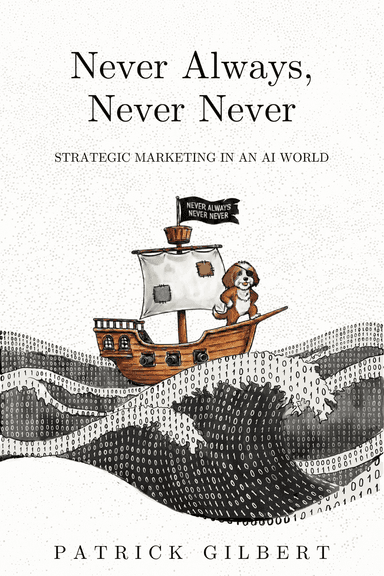
From the Book
Chapter 28 reveals how ad platform AI actually learns from your campaigns, explaining the difference between exploration and exploitation phases that determine your advertising success.
This is just a glimpse. The book explores dozens of cognitive biases and decision-making frameworks that change how you think, decide, and act.
Want to go deeper on this topic?
Chat with the AI companion to explore these concepts with the full context of the book.
Chat about this topicRelated Reading
AI Amplifies Whatever You Bring to the Table
AI isn't a shortcut. It's an amplifier. If you have strong strategy, AI makes you dramatically more effective. If you don't, it helps you execute mediocrity faster.
BlogWhy the Old Playbook Is Broken
The platform tricks and optimization shortcuts that built most digital marketing careers have been commoditized. Here's what actually changed and what to do about it.