Brand Equity
Definition
Brand equity is the commercial value that derives from consumer recognition, recall, and positive associations with a brand. It represents the financial premium a company can command in the marketplace simply because customers know and remember the brand name. Strong brand equity makes consumers more likely to choose your product over competitors, even when alternatives offer similar features or pricing.
Quick Answer: brand equity
Brand equity is the commercial value that comes from consumer recognition, recall, and positive associations with a brand name. It represents the premium a company can charge or the market share it can maintain simply because customers recognize and remember the brand. Strong brand equity means consumers are more likely to choose your product over competitors, even when alternatives offer similar features or pricing. According to marketing research, brand equity builds through consistent distinctive assets like colors, sounds, and symbols rather than product differentiation claims.
How Brand Equity Really Works
Most marketers misunderstand how brand equity builds. They assume it comes from convincing consumers that their product is objectively superior. As Patrick Gilbert argues in Never Always, Never Never, the reality is simpler and more counterintuitive. Brand equity grows when brands become easier to notice, recall, and recognize in buying situations.
Consider David Ogilvy's breakthrough campaign for Guinness in 1950. Guinness wasn't winning American beer drinkers by arguing it was smoother or better than Budweiser. Instead, Ogilvy created "The Guinness Guide to Oysters" campaign, linking the Irish stout to oyster consumption. This wasn't product differentiation. It was building a mental shortcut that gave Guinness a distinctive position in memory.
Standing out and being different is important for any brand. But don't confuse saying something different with saying something in a different way. Difference is less important than distinctiveness.
Les Binet
This distinction between differentiation and distinctiveness is crucial for understanding brand equity. Differentiation requires consumers to process and compare product features. Distinctiveness works on automatic mental processes, giving people easy cues to remember brands by.
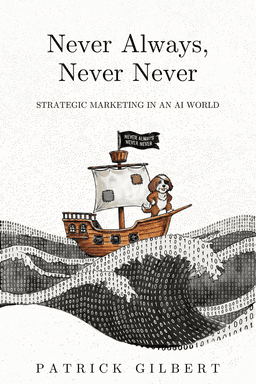
Enjoying this? Never Always, Never Never goes much deeper into the mental models and decision frameworks that shape how we think.
The Building Blocks of Brand Equity
Byron Sharp and researchers at the Ehrenberg-Bass Institute have shown that most brands in a category offer broadly similar products at similar quality levels. Consumers don't experience the fine distinctions that marketers obsess over. Instead, brands win by being easier to recognize and recall through distinctive brand assets.
- Colors: T-Mobile's magenta or Tiffany's robin-egg blue create instant recognition
- Shapes and packaging: Toblerone's triangular bar or Pringles' cylindrical can stand out on shelves
- Sounds: The Kars4Kids jingle or distinctive voice actors in commercials
- Characters: Flo from Progressive or the GEICO Gecko become brand ambassadors
- Rituals: Corona with lime or Wendy's fries dipped in a Frosty create usage occasions
Each distinctive asset works as a memory hook, giving consumers shorthand they can recall instantly. Isaac Rudansky of AdVenture Media discovered this accidentally when his green beanie became his signature look in a Google Ads course. Students would recommend the course by saying "look for the guy in the green beanie." That simple visual cue helped the course become Udemy's best-selling digital marketing program.
Brand Equity Through Category Entry Points
Brand equity scales when brands connect their distinctive assets to multiple Category Entry Points. McDonald's doesn't own just one association. The golden arches trigger different needs for different people: quick breakfast, highway bathroom stop, kids' birthday party venue, or late-night convenience.
The more Category Entry Points a brand owns, the higher its mental availability and brand equity become.
5-hour Energy demonstrated this by claiming an overlooked entry point: the afternoon energy slump. While coffee and Red Bull owned morning routines, 5-hour Energy hammered "That 2:30 Feeling" to capture a specific moment competitors had ignored. This focused approach built substantial brand equity in the energy category.
Why Consistency Beats Creativity
The biggest threat to brand equity isn't competition. It's the brand's own desire for novelty. Too many companies sabotage their equity by constantly changing logos, taglines, or visual identity. Each change resets the mental clock, diluting the associations they've worked to build.
Guinness understood this principle. After the oyster campaign, they layered on more distinctive assets: the harp, the toucan balancing a pint, slogans like "Lovely Day for a Guinness." Decade after decade, these signals reinforced each other, building cumulative brand equity that still pays dividends today.
Brand equity compounds when distinctive assets are repeated consistently over time. Creativity matters, but without consistency, creativity doesn't build lasting commercial value.
Related Terms
Frequently Asked Questions
What is brand equity in simple terms?
Brand equity is the commercial value that comes from consumers recognizing and remembering your brand. It's why people choose Coca-Cola over generic cola or pay more for Nike shoes, even when alternatives offer similar quality.
How do you build brand equity?
Brand equity builds through consistent distinctive assets like memorable colors, sounds, characters, or rituals that make your brand easier to recall. According to research, distinctiveness matters more than trying to prove your product is different or better than competitors.
What's the difference between brand equity and differentiation?
Differentiation tries to convince consumers your product has unique superior features. Brand equity comes from being easily recognized and recalled through distinctive cues. Most successful brands win through distinctiveness, not by proving they're objectively better.
Why do brands lose equity over time?
Brands typically lose equity by constantly changing their visual identity, taglines, or messaging. Each change dilutes the mental associations consumers have built up. Consistency over time builds stronger brand equity than creative reinvention.
How does brand equity relate to mental availability?
Brand equity and mental availability work together. Mental availability is the probability your brand comes to mind in buying situations. Strong brand equity makes this more likely through distinctive assets that trigger brand recall across multiple contexts.
Can small brands build significant brand equity?
Yes, small brands can build equity by consistently using distinctive assets and claiming specific Category Entry Points. Isaac Rudansky's green beanie helped a Google Ads course become globally recognized, showing how simple consistent cues can build substantial brand value.
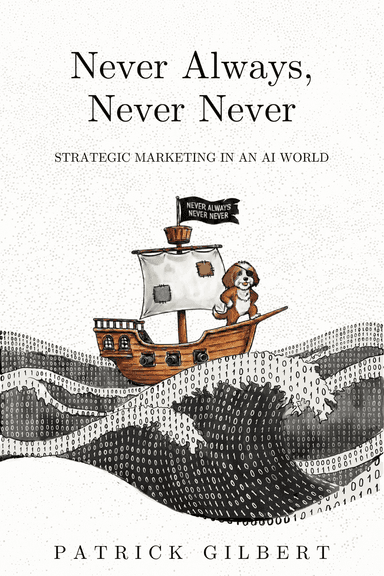
From the Book
Chapter 14 reveals why brands win through distinctiveness rather than differentiation, using case studies from Guinness to Google Ads courses. Learn how mental shortcuts build lasting commercial value.
This is just a glimpse. The book explores dozens of cognitive biases and decision-making frameworks that change how you think, decide, and act.
Want to go deeper on this topic?
Chat with the AI companion to explore these concepts with the full context of the book.
Chat about this topic