Emotional vs Rational Advertising: Which Approach Drives Better Results?
Quick Answer: emotional vs rational advertising
Emotional advertising consistently outperforms rational advertising for long-term brand growth. Research by Binet & Field shows emotional campaigns are three times more likely to drive significant market share increases. Emotional ads work by creating feelings that stick in memory, while rational appeals fade quickly. The Safelite jingle creates reassurance, Campbell's Chunky Soup connects men to memories of their mothers, and Duolingo's chaotic owl personality drove 10x revenue growth. However, rational advertising works better for immediate conversions and complex purchases requiring detailed information. The key insight: feelings create memory, and memory drives choice.
| Dimension | Emotional Advertising | Rational Advertising |
|---|---|---|
| Primary Goal | Create feelings and emotional connections | Communicate facts, features, and logical benefits |
| Time Horizon | Long-term brand building and mental availability | Short-term activation and immediate conversion |
| Memory Impact | High recall through emotional encoding | Lower recall, facts fade quickly |
| Measurement | Brand awareness, recall, long-term sales growth | Click-through rates, immediate ROAS, conversion metrics |
| Creative Approach | Stories, characters, music, animals, nostalgia | Product demos, specifications, comparisons, testimonials |
| Audience Processing | System 1 thinking, fast and intuitive | System 2 thinking, slow and deliberate |
| Risk Level | Higher creative risk, harder to test | Lower risk, easier to A/B test and optimize |
| Best Use Cases | Brand building, competitive categories, repeat purchases | New product launches, complex purchases, B2B sales |
Why Emotional Advertising Wins Long-Term
As Patrick Gilbert argues in Never Always, Never Never, marketers overcomplicate emotional advertising by assuming it only applies to tear-jerking Super Bowl spots. The reality is much simpler and more powerful. Emotional advertising is about making people feel something, anything, that connects to your brand. Take Safelite's straightforward jingle: "Safelite repair, Safelite replace." The words aren't clever, but the cadence creates a tiny sense of reassurance. That feeling of "it's handled" is what drives choice when your windshield cracks.
If the audience feels it, they'll remember it. And if they remember it, you've just improved your chances of being chosen.
Patrick Gilbert, Never Always Never Never
Research consistently supports this emotional advantage. System1's analysis of nearly 200 U.S. TV spots found that ads with emotional content, particularly those featuring animals, consistently drove the highest levels of positive response. In their database of 13,000 commercials, character-driven emotional ads were three times more likely to earn ratings correlated with 3%+ market share growth.
The Campbell's Chunky Soup Case Study
The power of emotional advertising becomes clear in Campbell's transformation of soup from a feminine product to something that resonated with men. When creative director Marvin Waldman researched the challenge in the 1990s, rational appeals failed. Men didn't think soup was filling or convenient compared to sandwiches or burgers.
But focus groups revealed an emotional truth: men remembered their mothers giving them soup when they were sick as children. Waldman didn't create ads about nutrition or convenience. He created the "Mama's Boy" campaign featuring NFL stars like Reggie White being served soup by their mothers. The campaign worked on multiple levels, using humor and celebrity appeal while subconsciously reawakening maternal memories for millions of men.
Waldman didn't make an ad about soup. He made an ad about moms. That emotional connection drove sales for decades.
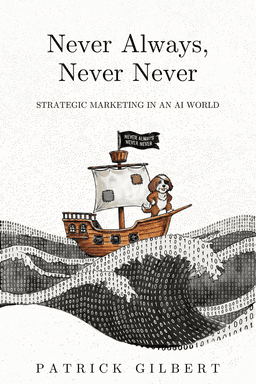
Enjoying this? Never Always, Never Never goes much deeper into the mental models and decision frameworks that shape how we think.
When Rational Advertising Makes Sense
Rational advertising isn't ineffective, it's just better suited for different goals. When customers need detailed information to make complex purchasing decisions, rational appeals work. B2B software purchases, insurance policies, and financial services often require logical evaluation of features, pricing, and specifications.
- New product launches where education is necessary
- Complex purchases requiring detailed comparison
- B2B sales with multiple decision makers
- Immediate activation campaigns focused on short-term conversion
- Categories where functional differences are significant
The key insight from Binet & Field's research is that rational advertising excels at short-term activation but fails at long-term brand building. Emotional advertising does the opposite, creating mental availability that pays dividends over time even if immediate response is lower.
The Power of Characters and Animals
One of the most reliable emotional advertising tactics involves brand characters, particularly animals. As Les Binet notes in How Not To Plan, there's something embedded in human psychology that responds positively to being sold to by animals. Our System 1 brain relaxes defenses and simply thinks: "that's cute."
Academic research supports this intuition. A 2020 study in Marketing ZFP found that otherwise identical ads featuring animals consistently generated more favorable brand attitudes than those with human models. System1's testing shows that ads with animals drive the highest emotional engagement, with dogs particularly effective at lighting up brain activity.
Duolingo provides a modern example of character-driven emotional advertising. Their green owl Duo doesn't explain language learning benefits rationally. Instead, the owl threatens users to complete lessons and stars in absurdist social media content. This emotional approach helped grow Duolingo's revenue from $70 million in 2019 to roughly $750 million by 2024.
The Digital Marketing Challenge
Digital advertising's focus on immediate ROAS optimization has created a bias toward rational appeals. It's easier to test product features and discount codes than emotional storytelling. This creates an opportunity for brands willing to invest in longer-term emotional strategies.
Most direct-to-consumer brands born in the digital era have ignored character development, running the same influencer clips and product shots as everyone else.
The brands that break through this sameness by creating distinctive emotional assets will have significant advantages. When customers scroll through feeds of lookalike ads, a consistent character or emotional story becomes a memory shortcut that increases the odds of being chosen.
Frequently Asked Questions
Which is more effective, emotional or rational advertising?
Emotional advertising is more effective for long-term brand building and market share growth. Research by Binet & Field shows emotional campaigns are three times more likely to drive significant market share increases, while rational advertising works better for immediate conversions and complex purchases requiring detailed information.
Why do emotional ads work better than rational ones?
Emotional ads work because feelings create stronger memory encoding than facts. According to Patrick Gilbert in Never Always Never Never, rational arguments fade quickly, but emotional connections stick in memory. When customers need to make a choice, they're more likely to remember and select brands that made them feel something.
When should you use rational advertising instead of emotional?
Rational advertising works best for new product launches requiring education, complex B2B sales, and immediate activation campaigns. It's effective when customers need detailed information to compare options, such as insurance policies, financial services, or technical products with significant functional differences.
Do animals really make advertising more effective?
Yes, research consistently shows animals improve advertising effectiveness. A 2020 study found ads with animals generated more favorable brand attitudes than identical ads with humans. System1's analysis of 13,000 commercials found character-driven ads were three times more likely to drive market share growth.
How can digital brands create emotional advertising?
Digital brands can develop consistent characters, tell stories that evoke feelings, and focus on memory-building rather than just immediate conversion. According to Never Always Never Never, most direct-to-consumer brands miss this opportunity by running generic product shots instead of investing in distinctive emotional assets.
What makes emotional advertising memorable?
Emotional advertising becomes memorable through storytelling, characters, music, and feelings that connect to universal human experiences. The Campbell's Chunky Soup campaign succeeded by connecting to maternal memories, while Safelite's jingle creates reassurance through tone and cadence rather than clever copy.
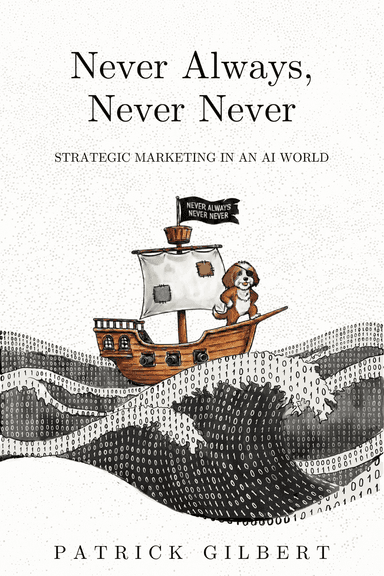
From the Book
Chapter 15 reveals why emotional advertising consistently outperforms rational appeals, with case studies from Campbell's Soup to Duolingo showing how feelings drive long-term brand growth.
This is just a glimpse. The book explores dozens of cognitive biases and decision-making frameworks that change how you think, decide, and act.
Want to go deeper on this topic?
Chat with the AI companion to explore these concepts with the full context of the book.
Chat about this topicRelated Reading
Mental Availability: The Marketing Concept Most Digital Marketers Ignore
Mental availability is the single most important driver of brand growth. Most digital marketers have never heard of it. Here's why that matters.
BlogWhy the Old Playbook Is Broken
The platform tricks and optimization shortcuts that built most digital marketing careers have been commoditized. Here's what actually changed and what to do about it.