Differentiation vs Distinctiveness: Why Standing Out Beats Being Better
Quick Answer: differentiation vs distinctiveness
Differentiation focuses on proving your product is better through unique features or benefits, requiring consumers to process and compare attributes. Distinctiveness works through mental shortcuts like colors, shapes, sounds, or memorable associations that make your brand easier to recall. According to research from the Ehrenberg-Bass Institute, most brands in a category offer similar quality at similar prices. Distinctive assets like T-Mobile's magenta or Isaac Rudansky's green beanie create mental availability without needing to prove superiority. While differentiation relies on rational comparison, distinctiveness leverages System 1 thinking through recognition and recall.
| Dimension | Differentiation | Distinctiveness |
|---|---|---|
| Primary Goal | Prove your product is uniquely better than competitors | Make your brand easier to notice, recall, and recognize |
| Consumer Thinking | Requires System 2 processing and rational comparison | Works through System 1 mental shortcuts and recognition |
| Key Assets | Product features, benefits, and unique selling propositions | Colors, shapes, sounds, characters, rituals, and memorable associations |
| Market Reality | Assumes meaningful product differences exist and matter to buyers | Acknowledges most categories have similar products at similar quality levels |
| Measurement Focus | Attribute ratings, preference scores, and consideration metrics | Mental availability, brand salience, and category entry point strength |
| Time Investment | Often requires ongoing innovation and feature development | Builds value through consistent repetition of the same assets over time |
| Risk Factor | Features can be copied; benefits claims may not resonate | Assets can be diluted if changed too frequently by new leadership |
| Success Examples | Early smartphone features, luxury car specifications | Guinness and oysters, Lucky Strike's 'It's Toasted,' McDonald's golden arches |
The Guinness and Oysters Revelation
When David Ogilvy faced his first major client in 1950, Guinness looked hopeless in the American market. American beer drinkers preferred light lagers like Budweiser. A jet-black Irish stout seemed intimidating and out of place. Rather than try to convince Americans that Guinness tasted better than their preferred beers, Ogilvy made a brilliant strategic choice. He linked Guinness to oysters. The Guinness Guide to Oysters campaign wasn't about beer at all. It positioned Guinness as the perfect pairing for oysters, creating what we now understand as a Category Entry Point. When Americans thought about eating oysters, Guinness would come to mind.
Ogilvy didn't try to make Guinness compete with pale lagers on mass appeal. He created a mental shortcut that gave Guinness a foothold in a crowded market.
As Patrick Gilbert argues in Never Always, Never Never, this wasn't differentiation in the classic sense. Ogilvy didn't argue that Guinness was smoother, tastier, or healthier than Budweiser. He made Guinness distinctive by creating a memorable association that helped the stout stand out in memory at a specific moment of need.
Why Most Differentiation Fails
For decades, marketers have obsessed over the Unique Selling Proposition. Every product supposedly needs some unique feature or benefit that compels buyers to choose it over competitors. The reality is far messier. Byron Sharp and colleagues at the Ehrenberg-Bass Institute have demonstrated that most brands in a category are look-alikes offering broadly similar products at similar quality levels.
Standing out and being different is important for any brand. But don't confuse saying something different with saying something in a different way. Difference is less important than distinctiveness.
Les Binet
Ask a roomful of CMOs what makes their brand different and you'll get the same tired answers: quality, customer service, innovation. None of it sticks because none of it is truly distinctive. Differentiation requires consumers to process, compare, and evaluate product features. That's System 2 thinking that rarely happens in real buying situations.
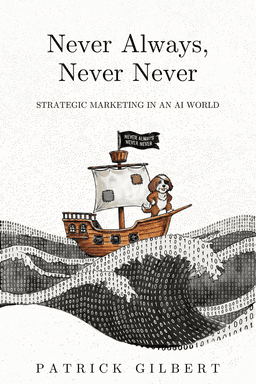
Enjoying this? Never Always, Never Never goes much deeper into the mental models and decision frameworks that shape how we think.
The Green Beanie Effect
Isaac Rudansky's Google Ads course became Udemy's best-selling digital marketing course of all time, eventually reaching over 300,000 students across 195 countries. Companies like Tesla, Nasdaq, and Lyft made it required training. The course quality was excellent, but plenty of good courses never achieve global phenomenon status. The real tipping point came from a simple wardrobe choice: a green beanie that Isaac wore in every lecture.
For years, thousands of marketers had conversations like this: I took this amazing [Google Ads](https://en.wikipedia.org/wiki/Google_Ads) course that changed everything for our campaigns. I forget the exact name, but just search for the one where the guy wears a green beanie. Personal recommendations are the strongest form of marketing, but in quick conversations, people rarely remember brand names or URLs. They reach for whatever's easiest to recall.
The green beanie became a distinctive asset that made Isaac instantly recognizable and his course easy to find. AdVenture Media would not exist as it does today without that seemingly random hat choice.
Building Blocks of Distinctive Assets
Jenni Romaniuk's research on Distinctive Brand Assets shows that brands don't win by persuading consumers their product is uniquely better. They win by being easier to recognize and recall. These assets work as memory hooks, giving people shortcuts they can recall instantly even when they can't remember brand names or product details.
- Colors: T-Mobile's magenta, Tiffany's robin-egg blue
- Shapes and packaging: Toblerone's triangular bar, Pringles' cylindrical can
- Sounds: The Kars4Kids jingle, Dennis Haysbert's voice in Allstate ads
- Characters: Flo from Progressive, the GEICO Gecko, Isaac's green beanie
- Rituals: Corona with lime wedge, dipping Wendy's fries into a Frosty
The challenge isn't creating distinctive assets. It's sticking with them. Assets only become powerful through repetition over time, across channels, until they're burned into memory. This requires discipline, not constant reinvention. Too many brands sabotage themselves by launching new logos, swapping taglines, or overhauling their look after hiring a new agency or CMO. Each change resets the clock, diluting salience instead of strengthening it.
It's Toasted: Mad Men's Marketing Truth
The famous Mad Men scene with Lucky Strike demonstrates distinctiveness over differentiation perfectly. When tobacco regulations prohibited health claims, Lucky Strike executives felt defeated. We're just like everybody else, they complained. Don Draper asked how they made their cigarettes. When they mentioned toasting the tobacco, he interrupted: It's Toasted. The executives protested that everybody's tobacco is toasted. Draper's response: No. Everybody else's tobacco is poisonous. Lucky Strike's is toasted.
This wasn't about inventing a new product attribute. It was about claiming ownership of something ordinary and turning it into a distinctive hook. It didn't matter that every brand toasted their tobacco. What mattered was that Lucky Strike repeated It's Toasted until it was burned into memory. Consumers didn't remember features or facts. They remembered the line.
When Each Approach Works Best
Differentiation still has its place, particularly in categories with genuine innovation opportunities or among highly involved consumers who actually do compare features. Early smartphone development, luxury automobiles with unique engineering, or B2B software with measurably superior functionality can succeed through differentiation.
But for most consumer categories, distinctiveness provides a more reliable path to growth. When Pepsi partnered with Domino's for the Better With Pepsi campaign in 2024, they weren't arguing that Pepsi objectively tastes better with pizza than Coke or Sprite. They were trying to claim a Category Entry Point. Considering 40% of Americans eat pizza weekly and 80% monthly, this represents massive mental availability potential.
Frequently Asked Questions
What's the main difference between differentiation and distinctiveness?
Differentiation focuses on proving your product has unique features or benefits that make it better than competitors. Distinctiveness works through memorable assets like colors, sounds, or associations that make your brand easier to recall without requiring rational comparison.
Why do most differentiation strategies fail?
According to Ehrenberg-Bass Institute research, most categories have similar products at similar quality levels. Real differences are rare, and consumers don't process feature comparisons the way marketers assume they do. Most buying decisions happen through System 1 thinking, not careful evaluation.
Can you use both differentiation and distinctiveness together?
Yes, but distinctiveness should be the foundation. Even genuinely superior products need distinctive assets to be remembered and recognized. The key is ensuring your distinctive elements support rather than contradict any real product advantages.
How long does it take for distinctive assets to work?
Distinctive assets build power through consistent repetition over time. Quick wins are possible, but lasting mental availability typically requires months or years of consistent use across multiple touchpoints. The biggest mistake is changing assets too frequently.
What are Category Entry Points and how do they relate to distinctiveness?
Category Entry Points are the situations, needs, or occasions when consumers might buy from your category. Distinctive assets help link your brand to specific entry points, like Guinness linking to oyster consumption or 5-hour Energy claiming afternoon energy slumps.
Is distinctiveness just about visual branding?
No, distinctiveness includes any memorable cue that helps recall: sounds, characters, rituals, packaging shapes, even specific contexts or occasions. Isaac Rudansky's green beanie and Corona's lime wedge ritual show how diverse distinctive assets can be.
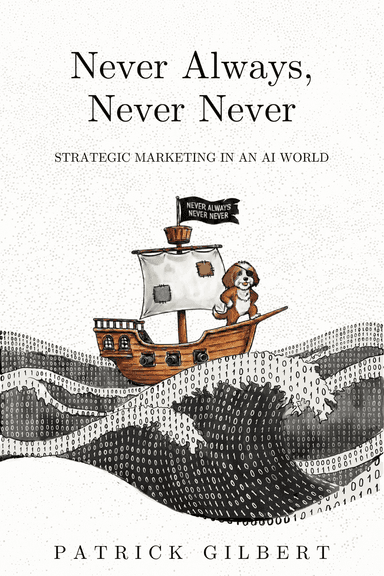
From the Book
Chapter 14 reveals how David Ogilvy turned Guinness from an intimidating Irish stout into an American success story by linking it to oysters. The chapter explores why distinctive assets beat unique selling propositions.
This is just a glimpse. The book explores dozens of cognitive biases and decision-making frameworks that change how you think, decide, and act.
Want to go deeper on this topic?
Chat with the AI companion to explore these concepts with the full context of the book.
Chat about this topicRelated Reading
Mental Availability: The Marketing Concept Most Digital Marketers Ignore
Mental availability is the single most important driver of brand growth. Most digital marketers have never heard of it. Here's why that matters.
BlogWhy the Old Playbook Is Broken
The platform tricks and optimization shortcuts that built most digital marketing careers have been commoditized. Here's what actually changed and what to do about it.